
Anima & Animus in Art: Exploring the Archetype of Inner Balance
September 1, 2025
recent posts
Symbols Series

recent post
Symbols Series
Anima & Animus in Art: Exploring the Archetype of Inner Balance
recent posts
Case Studies
recent posts
Ruminations
recent posts
Announcements
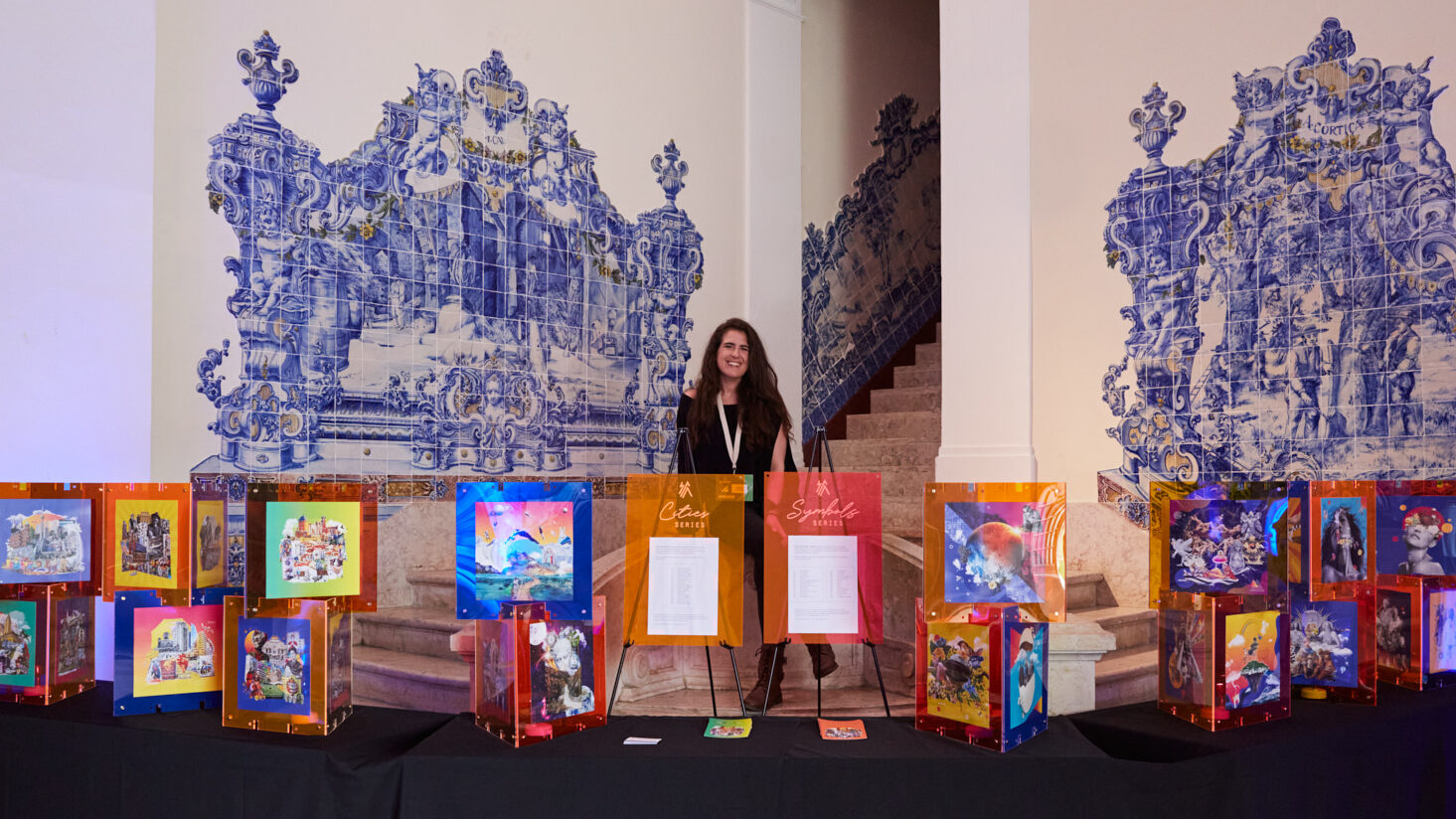
Paint the World is a 501(c)3 aiming to shift the paradigm around the impact potential of the arts. In 2021, PTW ran programs in 6 countries, engaging healthcare, education, and engineering professionals. Our Symbols Series is an exploration of archetypal symbols that arise from a community’s collective unconscious & how we can strategically use the appearance of these symbols in art to better understand community needs. To stay up to date on latest releases, follow us on instagram, and join us here.
Carl Jung described the Anima and Animus as inner figures that act as bridges between the conscious and unconscious mind. The Anima represents the feminine within the masculine psyche, while the Animus embodies the masculine within the feminine psyche. These archetypes influence how we relate to others, express creativity, and pursue personal growth. Beyond psychology, the Anima/Animus has profoundly shaped artistic expression, providing artists with a framework to explore identity, balance, and transformation (Jung, C. G., Aion: Researches into the Phenomenology of the Self, 1951).
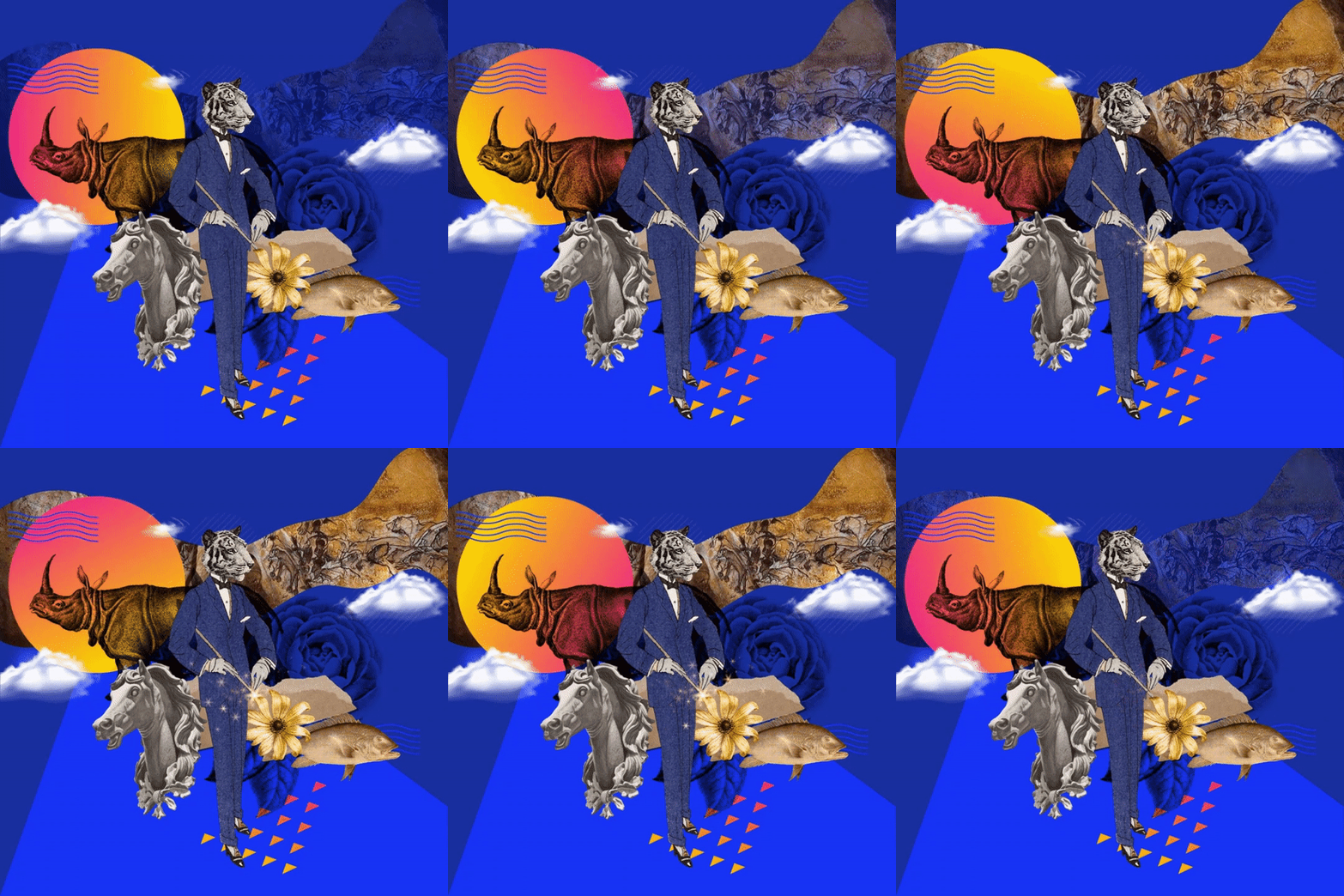
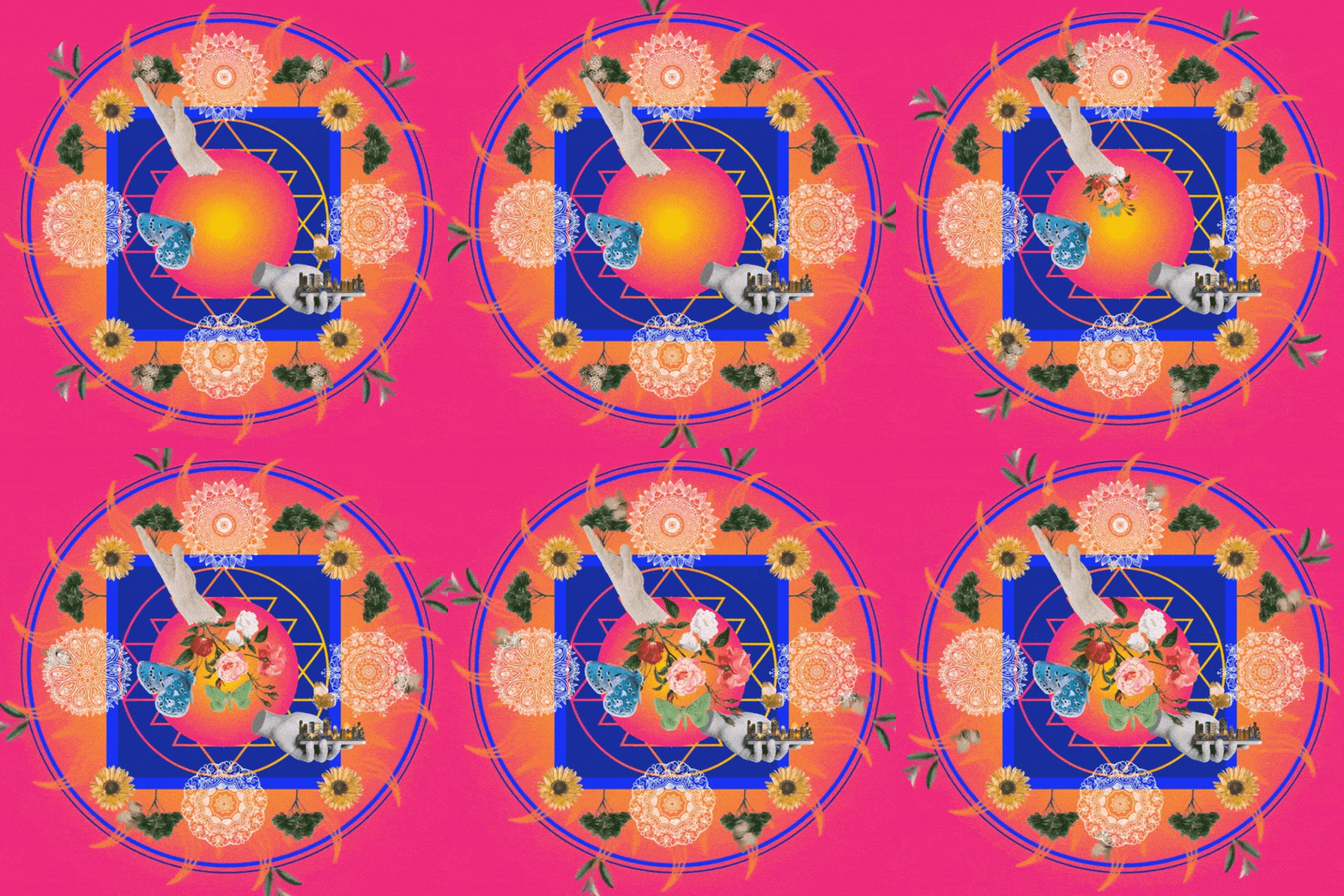
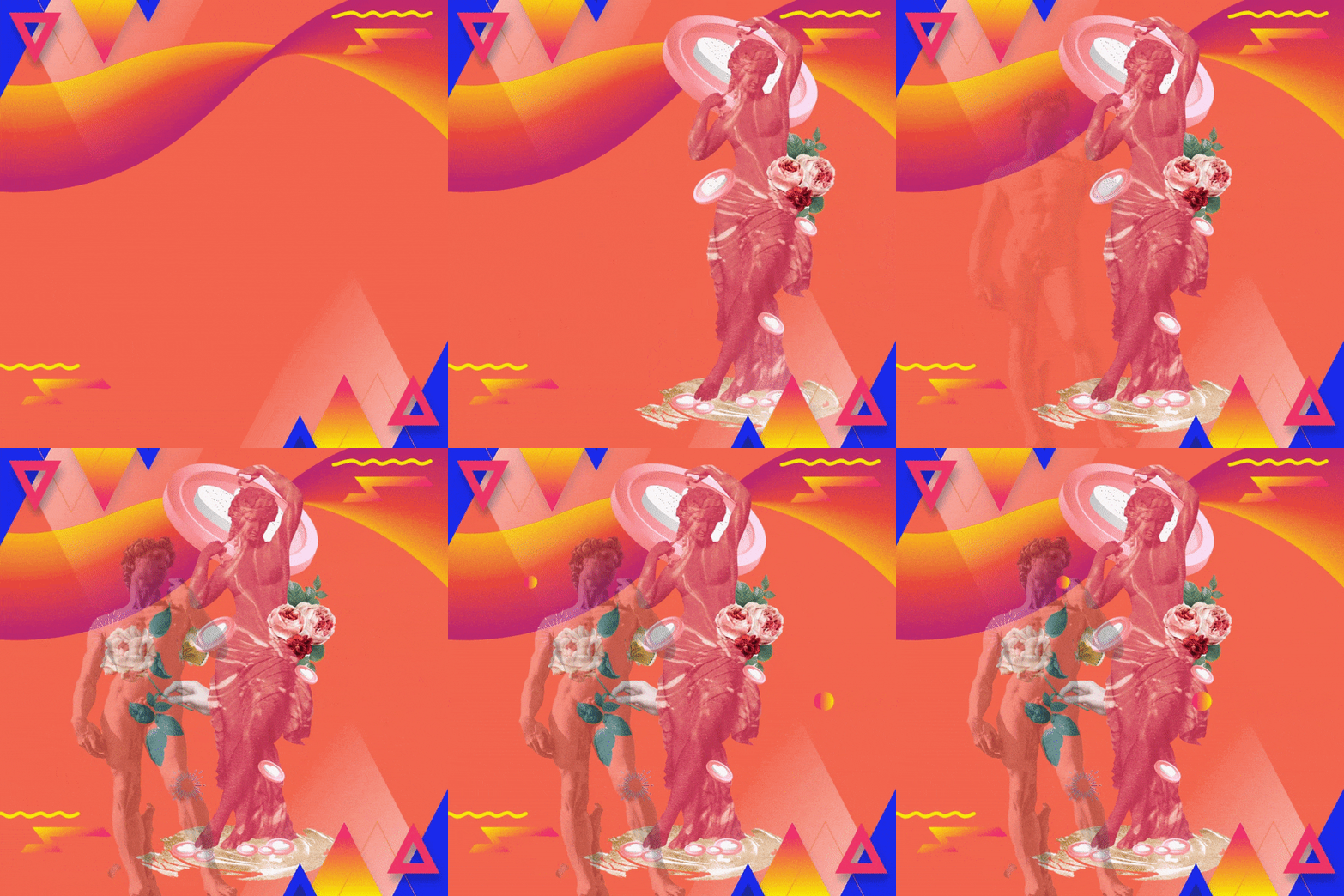
To see more gifs from Paint the World, visit us on Giphy here.
The Anima/Animus in Historical Art
The dialogue between masculine and feminine energies has long inspired artistic creation. Across history, artists have sought to represent this duality visually, often anticipating or echoing Jung’s ideas.
One striking example is found in Hindu art: Ardhanarishvara, a deity half Shiva (masculine) and half Parvati (feminine). This figure embodies the fusion of gendered energies and illustrates the pursuit of inner balance through the unity of opposites [2].
More recently, Molly McGreevy’s Anima/Animus (2021) interprets this archetype as a process of integration. Drawing on Jung’s concepts and the symbolism of alchemy, McGreevy’s work depicts the merging of opposing traits; socially celebrated and socially repressed into a unified whole [3].
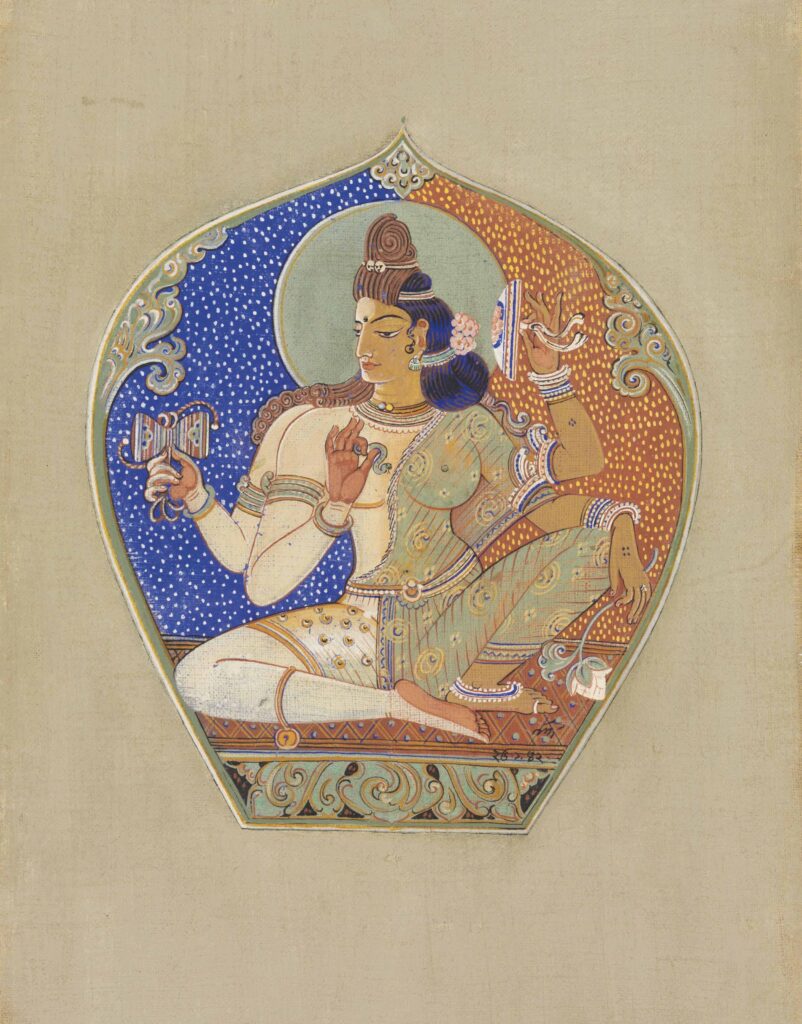
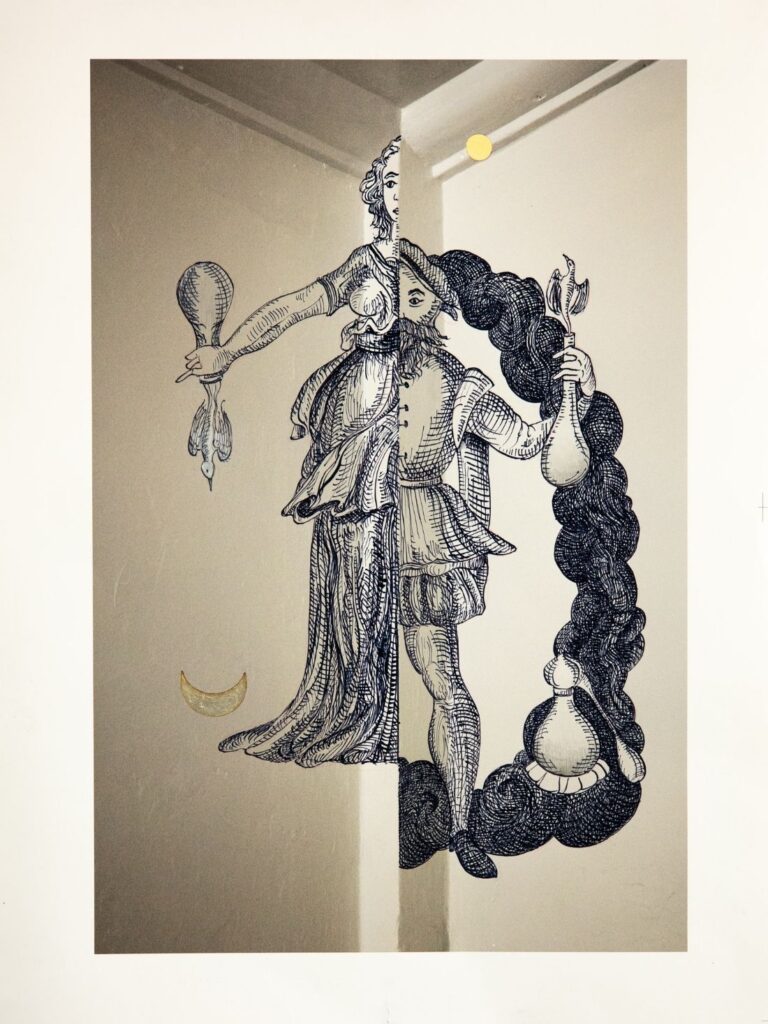
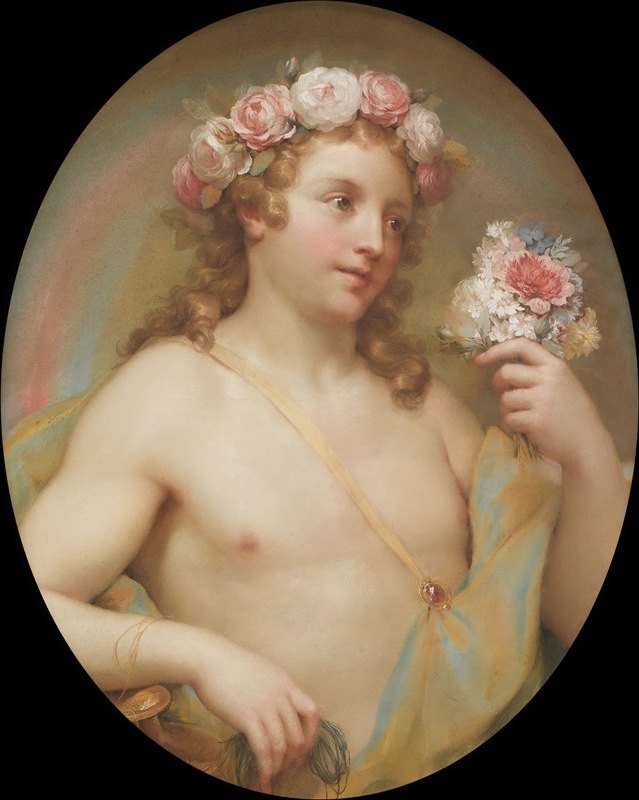

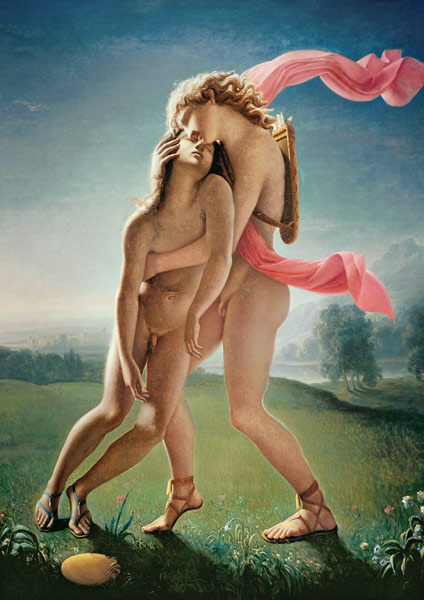
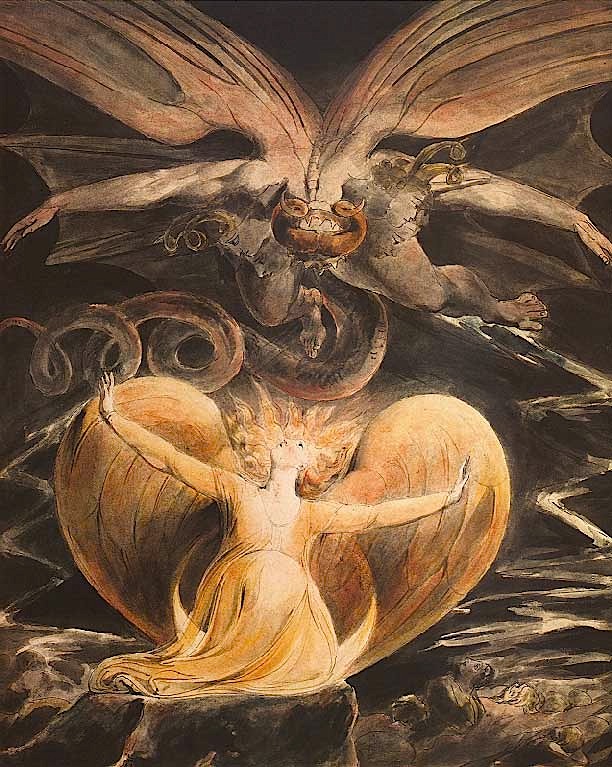
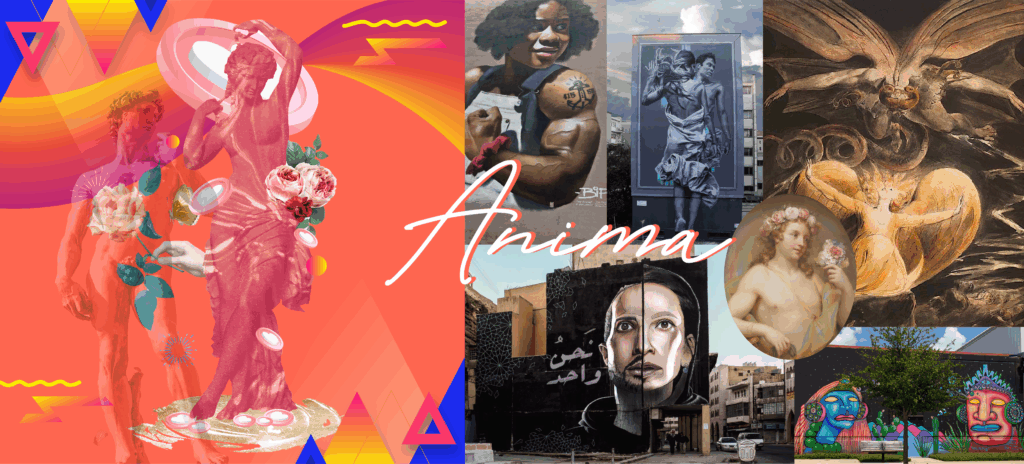
From Left to Right: Ardhanarishvara by Nandalal Bose (1942), Anima/Animus by MollyMcGreevy (2021), Pleasure by Anton Raphael Mengs (ca. 1754), Portrait (Futago) by Yasumasa Morimura (1988), The Death of Hyacinthos by Jean Broc (1801), The Great Red Dragon and the Woman Clothed with Sun by William Blake (1805 and 1810)
The Anima/Animus in Street Art
In contemporary urban art, the Anima/Animus finds a raw and immediate expression. Murals and street installations often use this archetype to confront questions of gender, identity, and social expectation in public spaces.
In Houston, El Ocote’s Anima/Animus fuses indigenous motifs with modern designs to emphasize harmony between masculine and feminine energies [4]. In San Francisco, BiP’s No Ceiling reimagines Rosie the Riveter as a strong Black woman, highlighting resilience and the dismantling of systemic barriers [5]. In Rome, JDL’s Outside In portrays intertwined figures facing away from each other, evoking the tensions of inner duality and the complexities of LGBTQ+ identity [6].
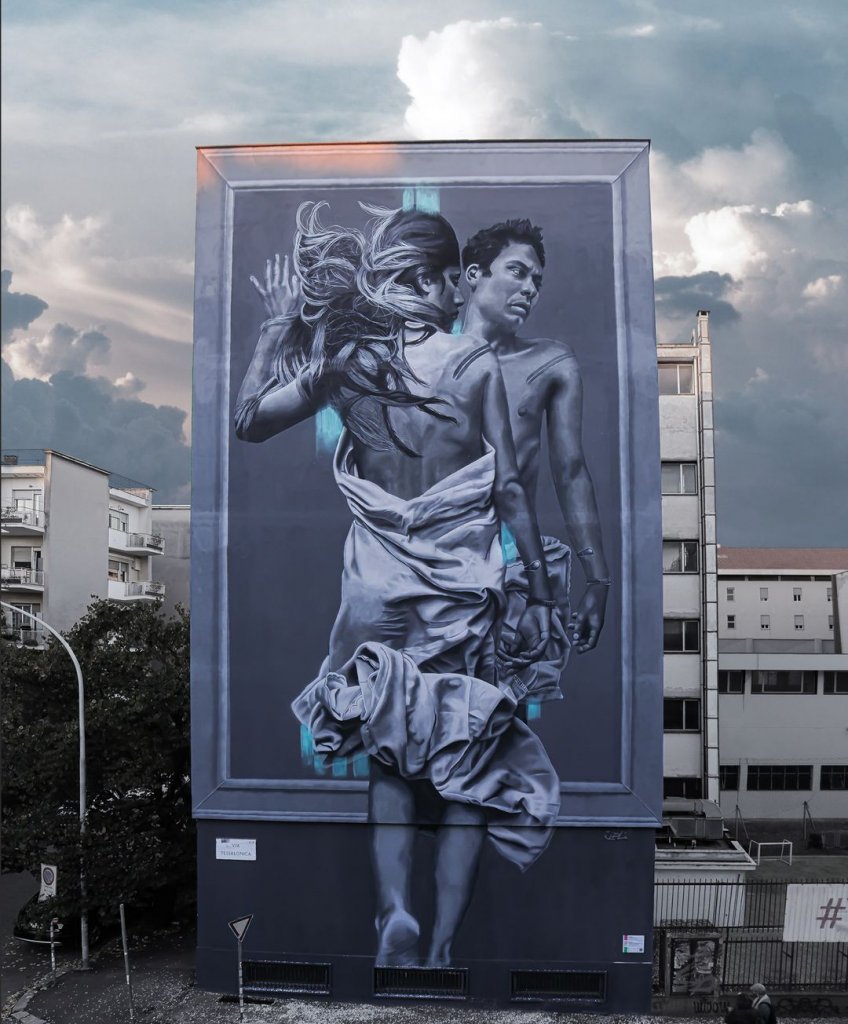
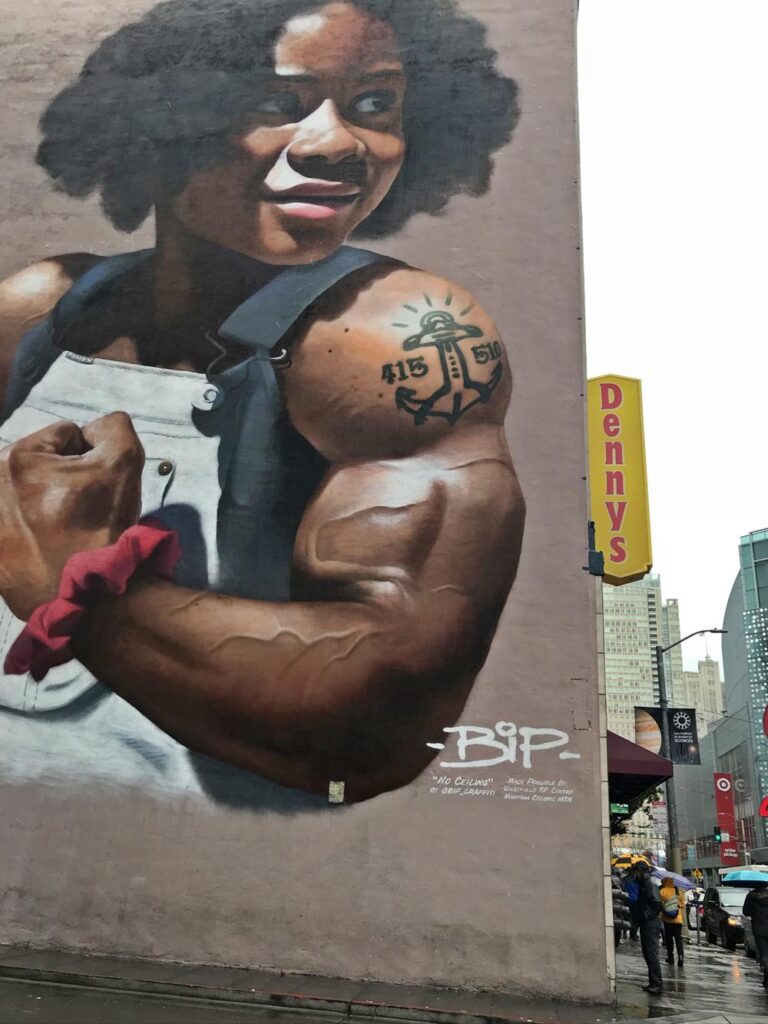
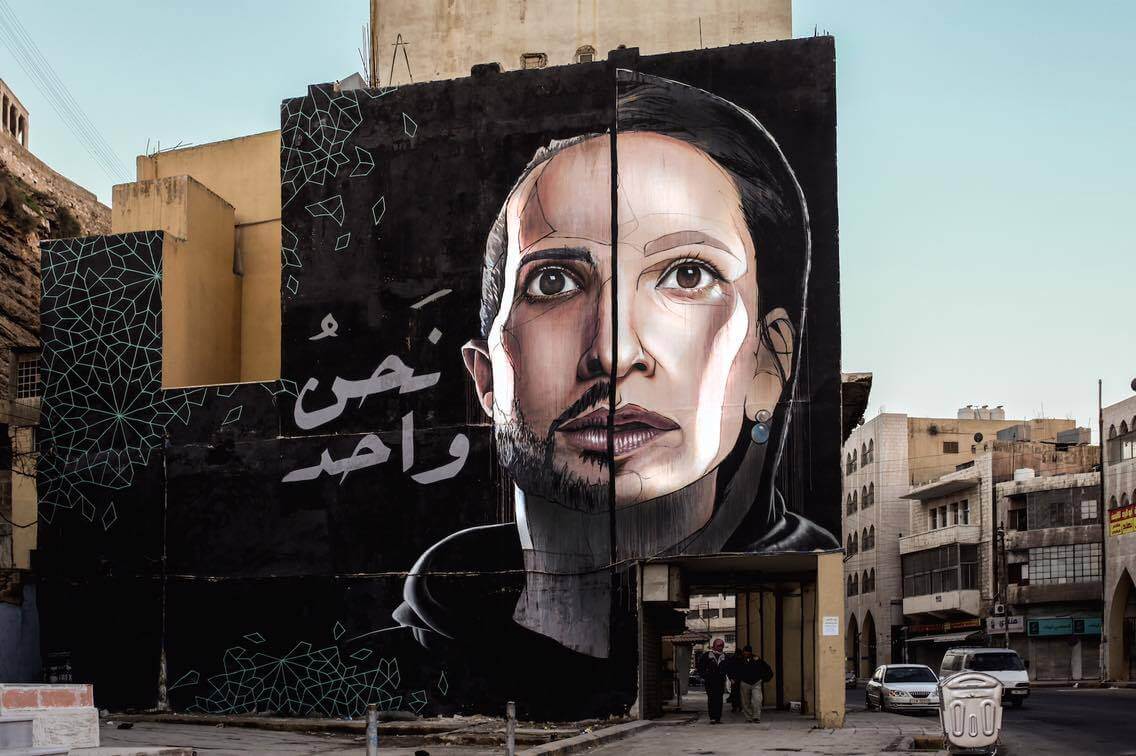
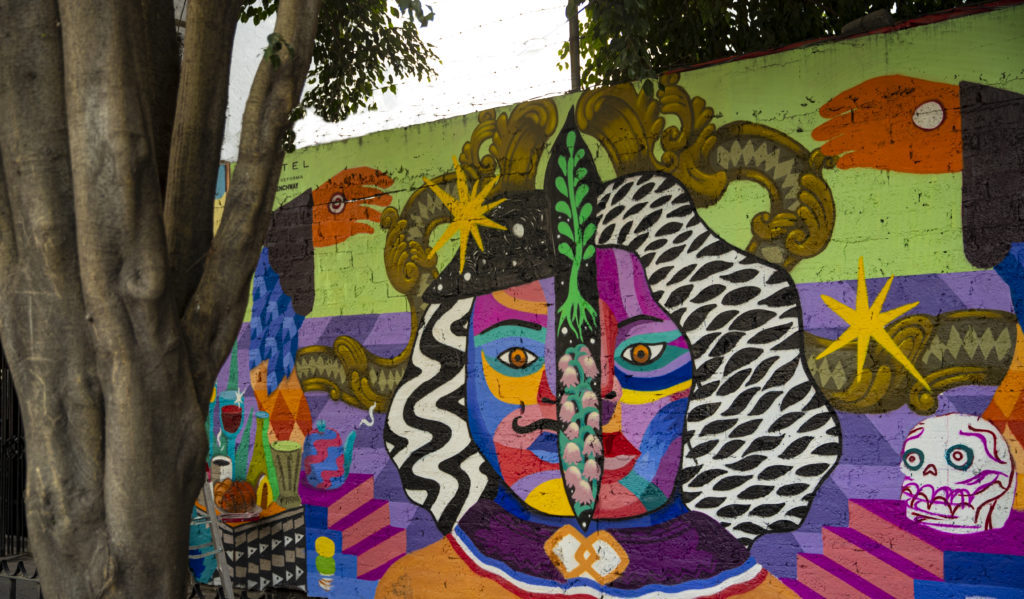
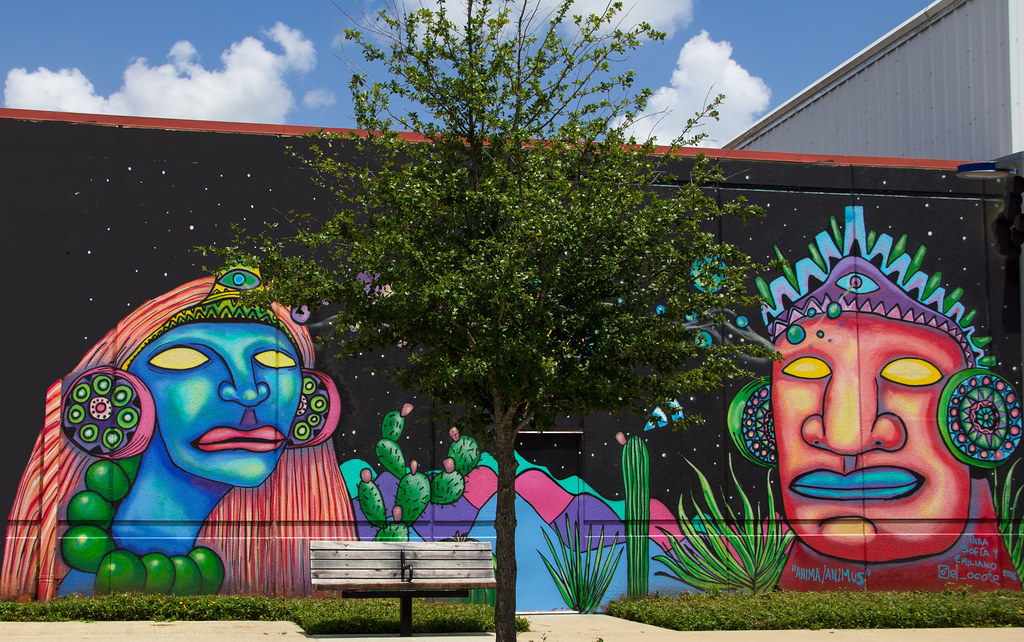
From left to right: Outside In by JDP in Rome, No Ceiling by BIP in San Francisco, California, aptART gender equality mural by Akut_Amman in Jordan (2016), Lelo in Mexico City, Anima-Animus by Sofia y Emiliano in Houston, Texas
These works show how the archetype functions in contemporary society: as a visual language for questioning norms, affirming diverse identities, and sparking dialogue.
Bring Meaning To Your Space
Art is not only something to observe in galleries or on city walls, it’s also something we can live with, reflect on, and let inspire our personal journey. Our exclusive Anima/Animus Art Print is designed to capture this archetypal balance of masculine and feminine energies, making it a daily reminder of integration, harmony, and transformation.
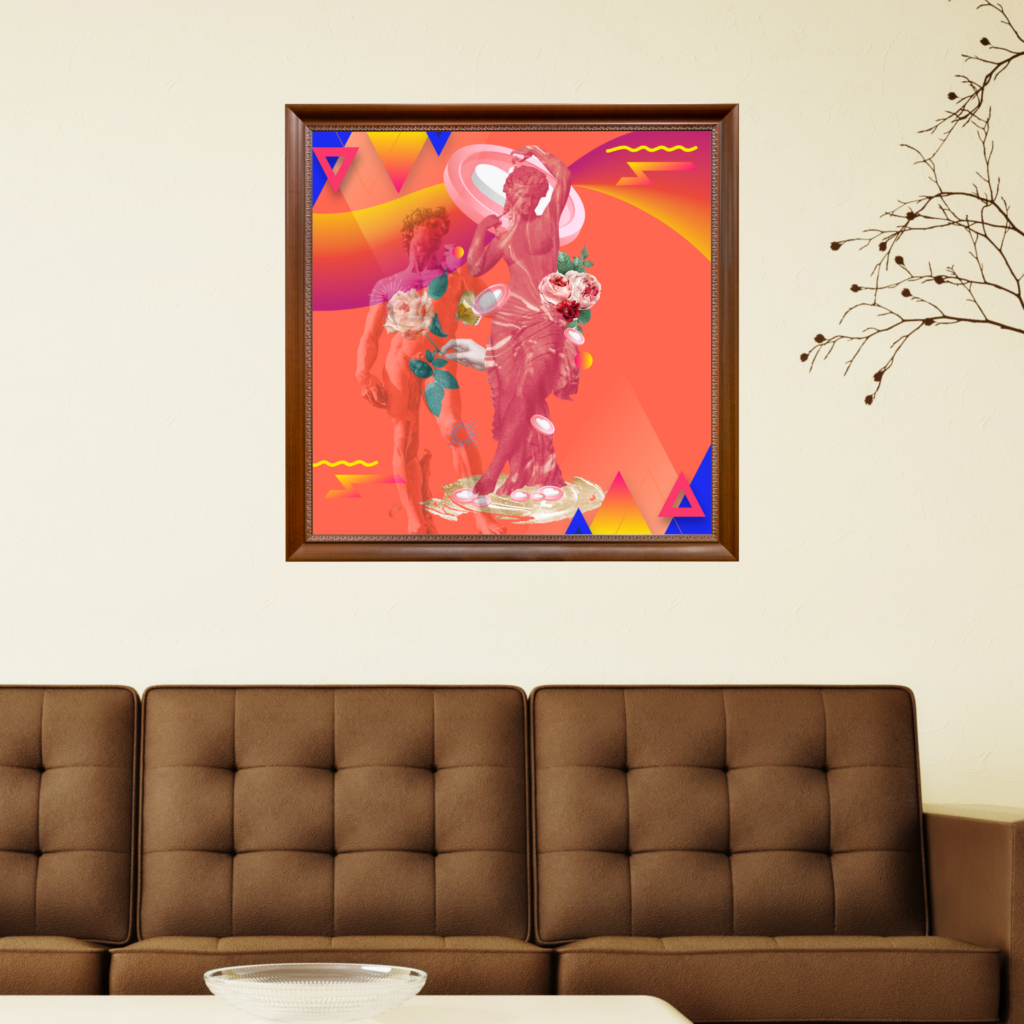
Whether you’re drawn to Jung’s psychology, the symbolic depth of archetypes, or the bold creativity of street art, this print offers a meaningful way to connect with the theme of inner wholeness.
✨ Explore the piece here: The Anima/Animus Print
🌐 Discover more art inspired by archetypes: Paint the World Shop
Understanding Communities Through Anima/Animus Art
When communities engage with the Anima/Animus through art, they reveal deeper struggles and aspirations. Public works that explore these archetypes often mirror collective concerns such as gender equality, cultural hybridity, or the search for spiritual integration (Campbell, J., The Hero with a Thousand Faces, 1949).
For instance, murals celebrating strong women may reflect a community’s movement toward gender equity, while works emphasizing vulnerability and sensitivity may indicate a growing openness to mental health awareness. These expressions provide insight into how communities negotiate identity, belonging, and change.
Applying the Lessons
The presence of the Anima/Animus in art offers us a profound lesson: true self-awareness emerges from embracing both masculine and feminine aspects within us. In a world that often enforces rigid gender norms, recognizing these dual forces can lead to more authentic self-expression (Jung, C. G., Psychological Types, 1921).
By integrating the Anima, men can cultivate emotional depth, empathy, and intuition. By embracing the Animus, women can harness assertiveness, logic, and independence. The same applies to non-binary and gender-fluid individuals, whose identities naturally embody the interplay of these archetypal energies. When we balance these forces, we achieve a more holistic sense of self—one that transcends limitations and fosters inner harmony.
The Anima/Animus archetype, present in masterpieces across centuries and continents, is a mirror reflecting the depths of human consciousness. To engage with this symbol is to embark on a journey toward integration, self-acceptance, and a broader understanding of the human experience. As we continue to explore its artistic manifestations, we are reminded that identity is fluid, expression is limitless, and within each of us lies the potential for wholeness.
Leave a Reply
recent post
Symbols Series
recent post
Case Studies
recent post
Ruminations
recent post
Announcements

If you are a current Paint the World Ambassador and you have misplaced the Ambassador Portal web address, please reach out to angela@painttheworld.com
If you would like to become a Paint the World Ambassador, please learn more here.