
Animals in Art: The Significance of the Animal Archetype, from Prehistoric to Contemporary Times
September 9, 2025
recent posts
Symbols Series

recent post
Symbols Series
Animals in Art: The Significance of the Animal Archetype, from Prehistoric to Contemporary Times
recent posts
Case Studies

recent posts
Ruminations
recent posts
Announcements
Paint the World is a 501(c)3 aiming to shift the paradigm around the impact potential of the arts. In 2021, PTW ran programs in 6 countries, engaging healthcare, education, and engineering professionals. Our Symbols Series is an exploration of archetypal symbols that arise from a community’s collective unconscious & how we can strategically use the appearance of these symbols in art to better understand community needs. To stay up to date on latest releases, follow us on instagram, and join us here.
Since the dawn of human consciousness, animals have occupied a sacred space in our collective imagination; not merely as earthly creatures, but as symbols and teachers embodying the wild, the divine, the untamed, and the wise. In Carl Jung’s analytical psychology, the animal represents the primal, instinctual aspects of the human psyche, emerging in myths, literature, and art across civilizations as a bridge between the natural world and the spiritual realm [1].
This archetype holds a profound impact, shaping belief systems, guiding human behavior, and revealing the hidden parts of the human soul. The “Animal” manifests in various forms, from sacred totems and mythical creatures to wild beasts and domesticated companions. Depictions of animals in art span from prehistoric cave paintings that honored nature’s creatures to modern street murals that challenge societal perceptions of the wild and the tame.
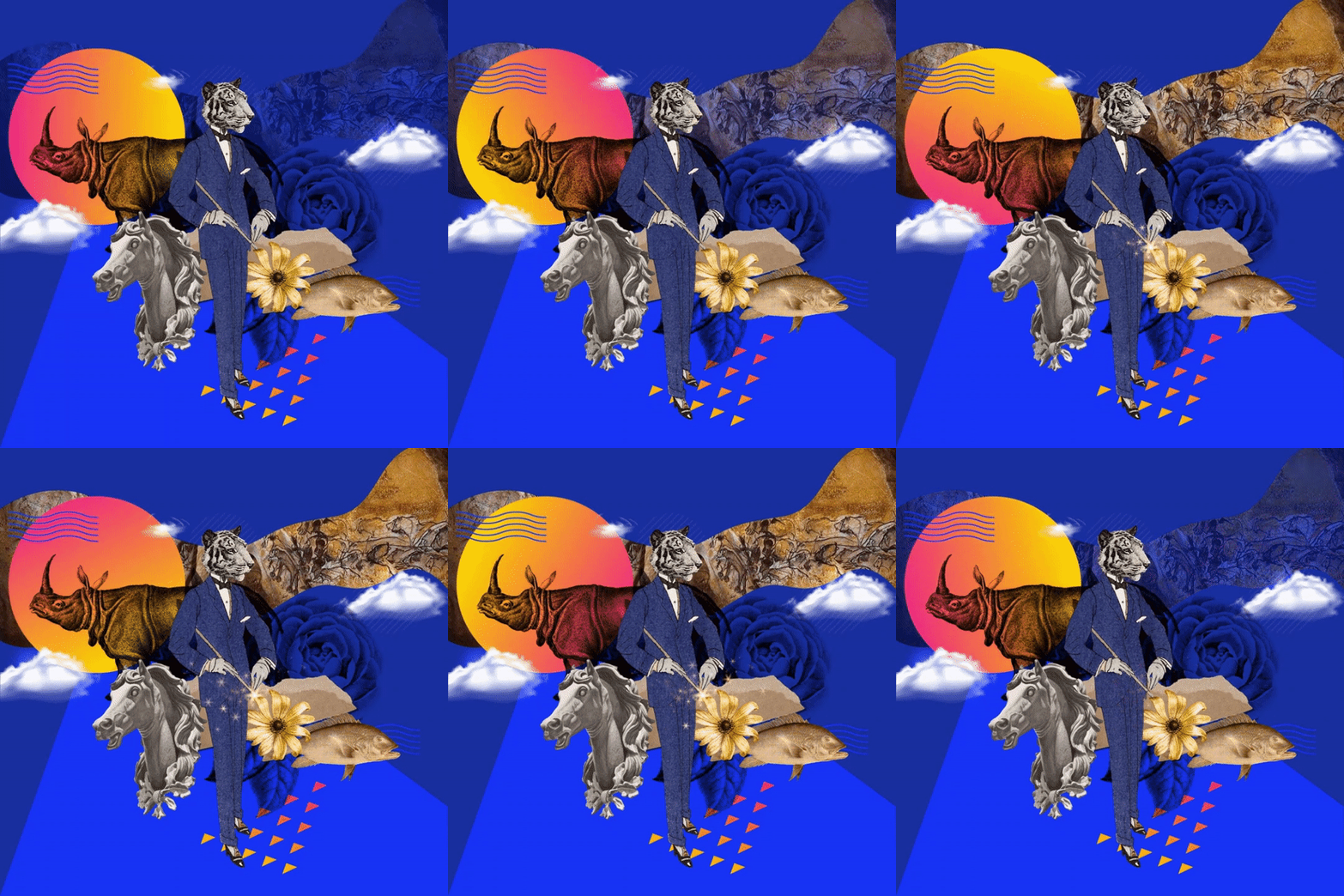
To see more gifs from Paint the World, visit us on Giphy here.
The Animal in Art History
In the 19th century, American folk artist Edward Hicks created one of the most enduring artistic representations of the harmonious relationship between humans and animals. His painting, “Noah’s Ark” (1846), depicts the biblical story of animals entering the ark in pairs, symbolizing salvation, divine order, and the preservation of life in the face of destruction. The painting, with its simple yet profound imagery, reminds us of humanity’s responsibility as stewards of the natural world (Hinchman, “Edward Hicks and the Peaceable Kingdom”, 1995)[2].
Hicks’ most famous series, “Peaceable Kingdom” (c.1836), further explores this vision of unity between species. Inspired by the biblical prophecy of Isaiah, Hicks paints an idealized world where predator and prey coexist without conflict; a lion lying beside a lamb, a child playing with wild beasts, all under the watchful eyes of Quaker settlers. This recurring theme in Hicks’ work reflects a yearning for moral and social harmony, using animals as metaphors for humanity’s highest ethical aspirations (Johnson, “American Folk Art and its Symbolism”, 2008)[3].
Going even further back in time, prehistoric art captures the first known artistic expressions of the Animal archetype. The Lascaux Cave Paintings in France, discovered by photographer Ralph Morse in 1946, showcase the deep reverence early humans had for animals. These intricate depictions of horses, bulls, and deer; painted with striking detail using natural pigments suggest that animals were seen as spiritual guides, sources of sustenance, and possibly even deities (Bahn, “Prehistoric Rock Art: Images of the Ancestors”, 2012). The art of Lascaux, dating back over 17,000 years, demonstrates that from the very beginning, humans have recognized their intimate connection to animals, embedding them in their mythologies and visual culture [4].
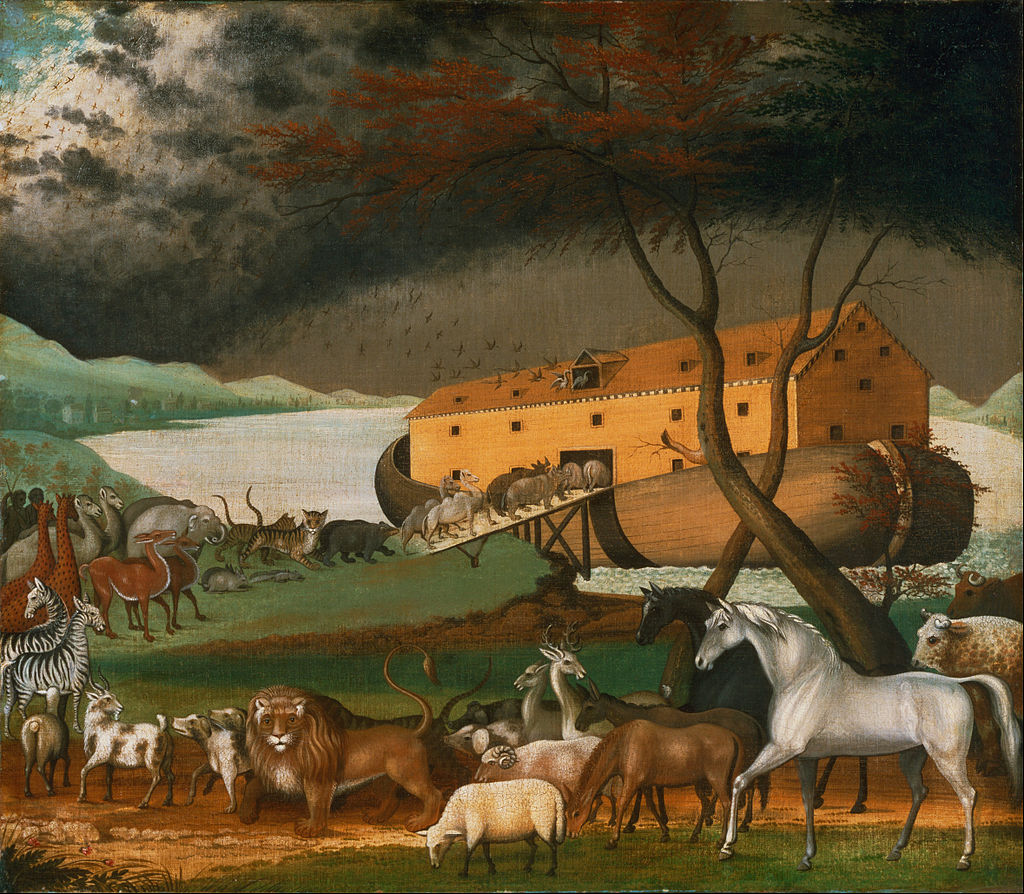
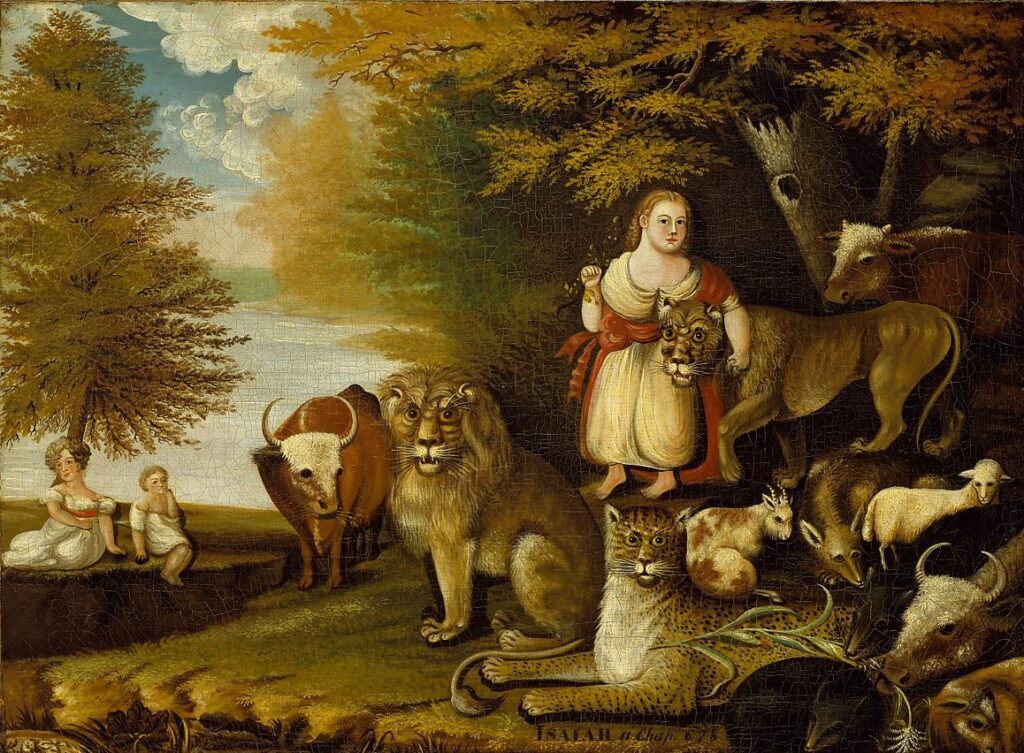
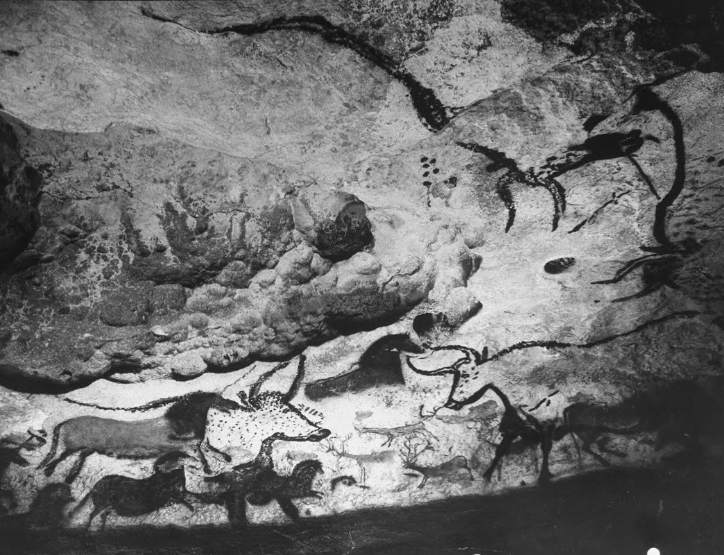
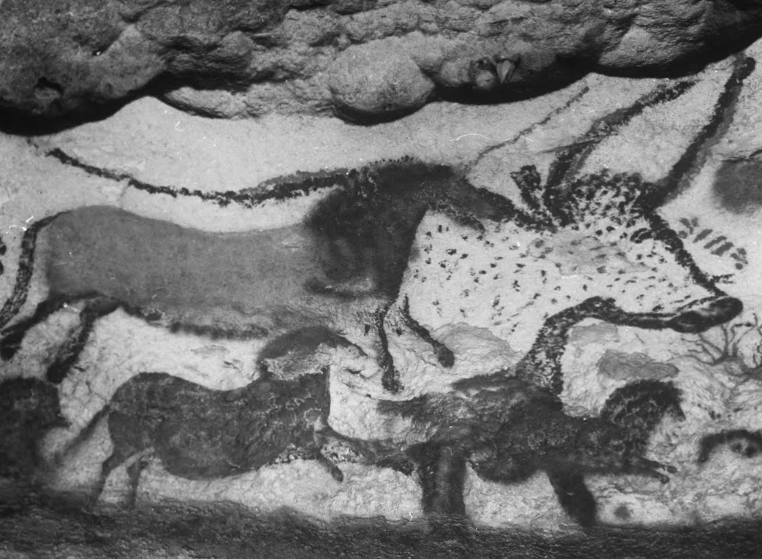
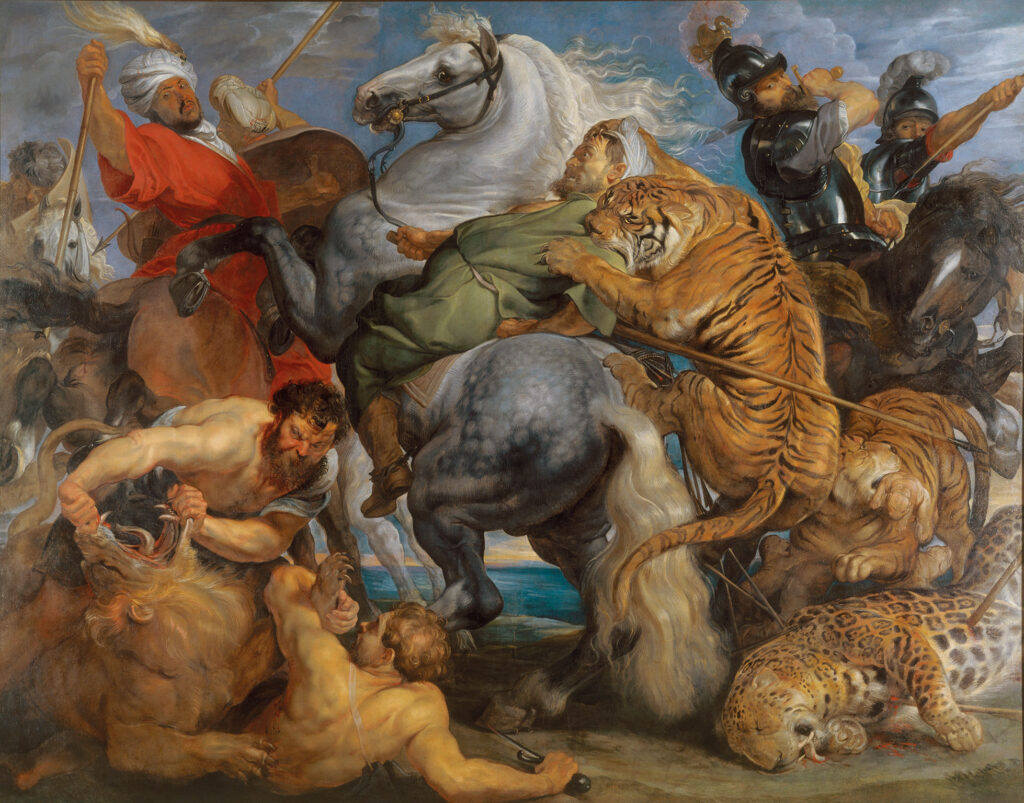
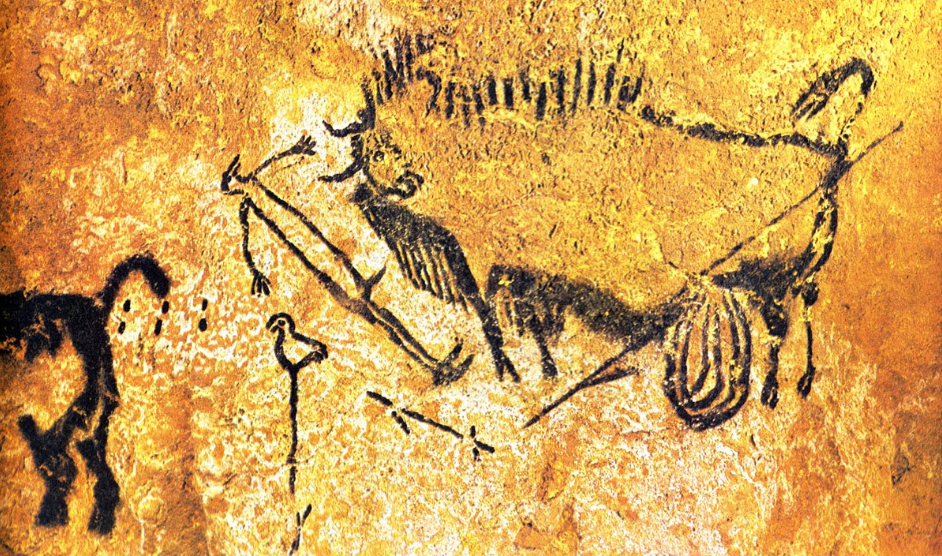
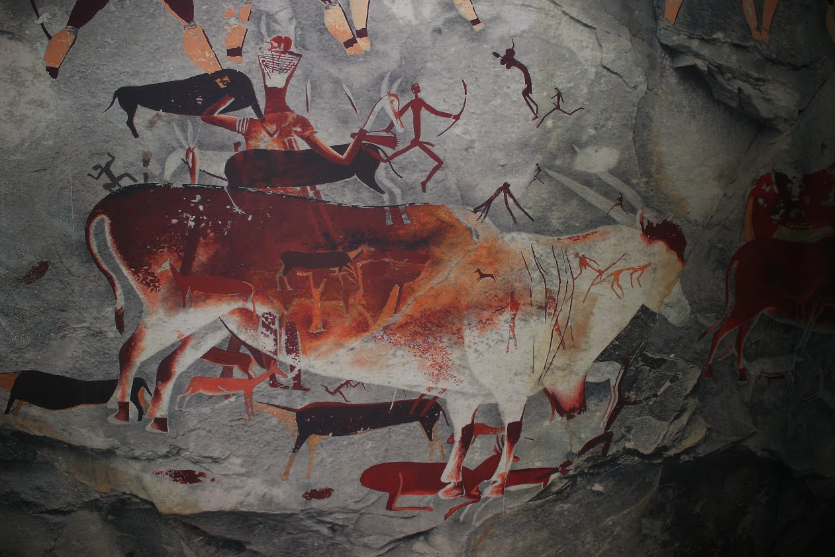
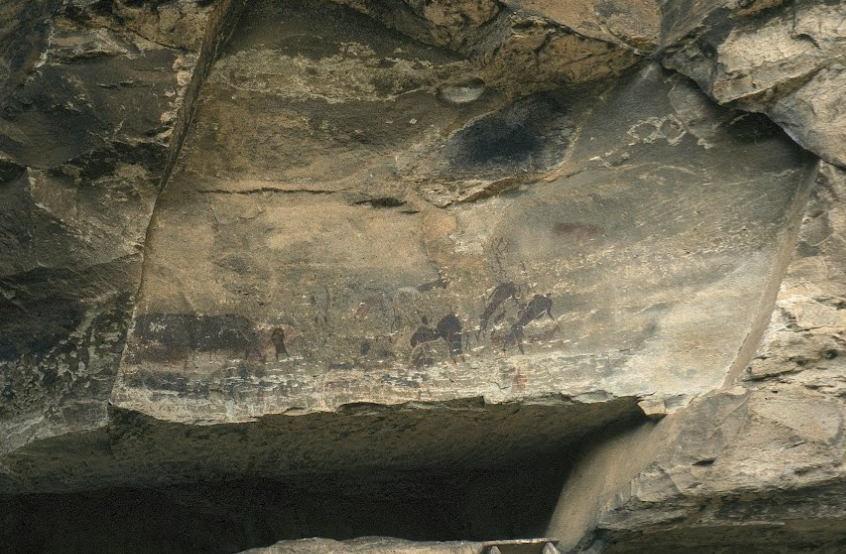
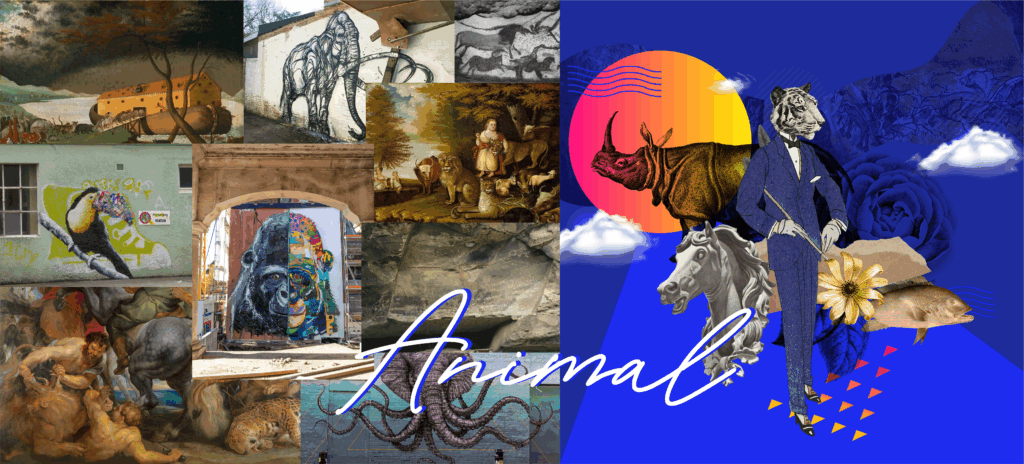
From left to right images: Noah’s Ark by Edward Hicks (1846); Peaceable Kingdom by Edward Hicks (c.1836); Raplh Morse in Lascaux, Franc (1946); The Tiger Hunt by Peter Paul Rubens (1615-1616); Man and steppe bison in Ministère de la Culture et de la Communication- Montignac (Dordogne); Sebaaieni Cave, Ndedema Gorge by Harold Pager in South Africa; Long Panel in Southern San, KwaZulu-Natal, South Africa
The Animal in Street Art
In contemporary urban landscapes, artists continue to use animals as powerful symbols yet their role has shifted. Once rooted in the spiritual and mythological, the animal archetype now often emerges in street art as a force of activism. Murals and installations transform mundane walls into urgent calls for ecological awareness, rebellion, and identity, reminding us that our relationship with the natural world is not only sacred but also endangered.
One of the most striking examples is Banksy’s series of animal murals, such as “Laugh Now,” where a chimpanzee wears a sign reading, “Laugh now, but one day we’ll be in charge.” This image critiques the exploitation of animals and mirrors human social oppression, forcing viewers to reconsider their ethical stance on power and subjugation (Ellsworth-Jones, “Banksy: The Man Behind the Wall”, 2013)[5].
In Lisbon, Portugal, artist Bordalo II creates sculptures of animals entirely out of discarded materials. His massive three-dimensional artworks of owls, foxes, and wolves address the destructive consequences of consumerism and environmental neglect. Unlike the idealized harmony in Hicks’ “Peaceable Kingdom,” Bordalo’s work presents a stark contrast which the Animal archetype now appears as a warning, a victim of human carelessness, urging us to reconnect with the world we are systematically destroying (Paulicelli, “Eco-Art: The New Aesthetic of Environmental Awareness”, 2019)[6].
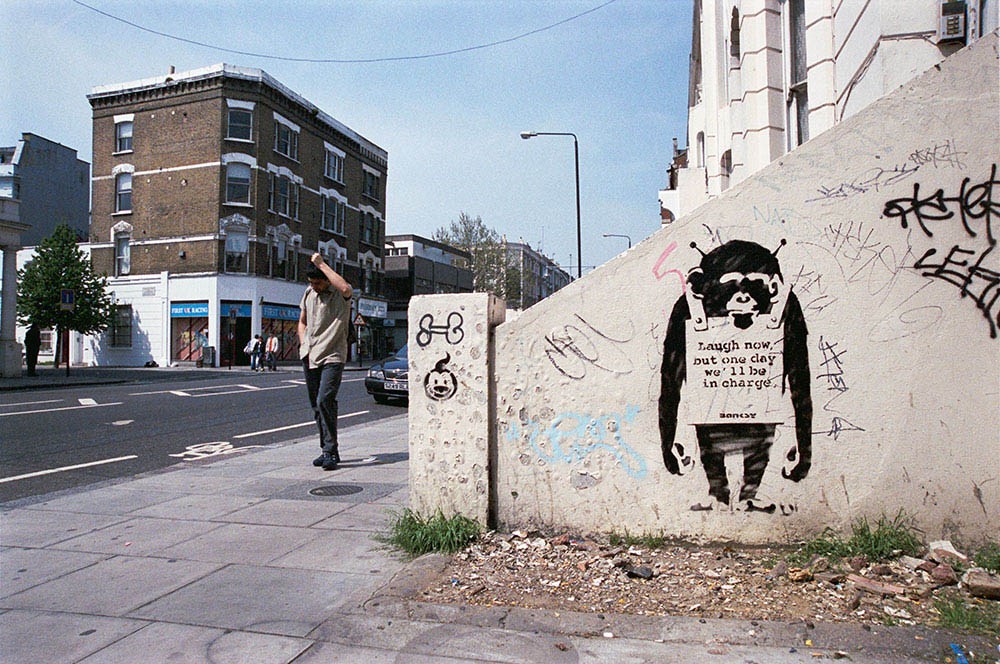
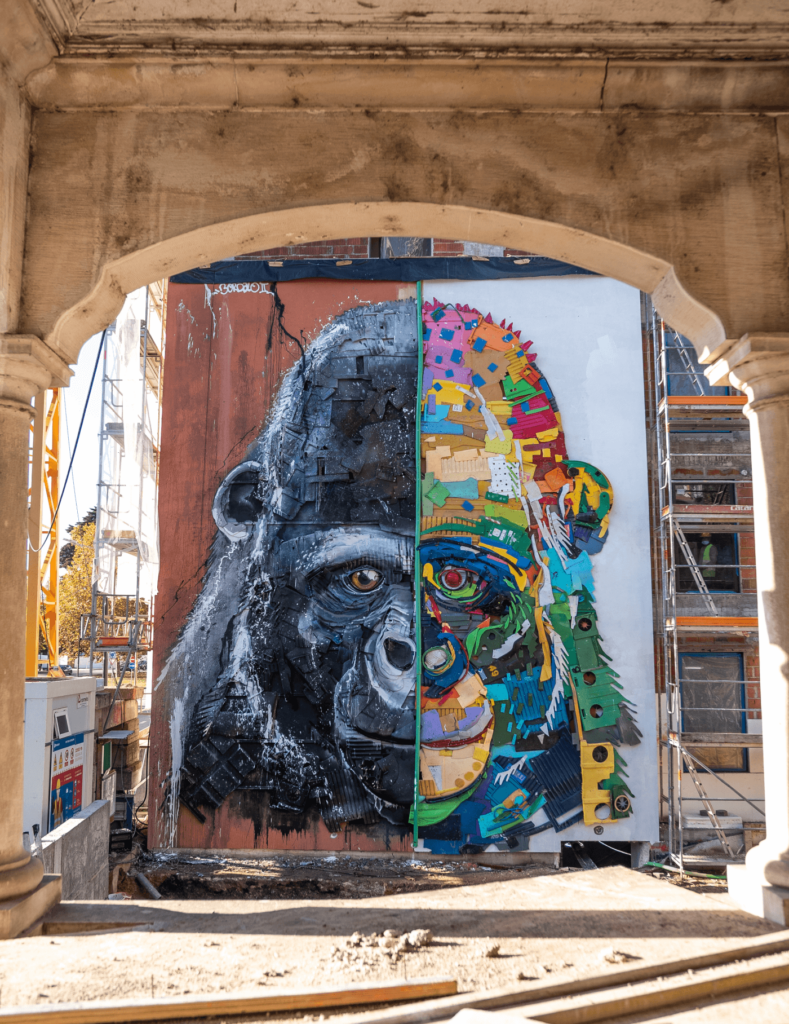
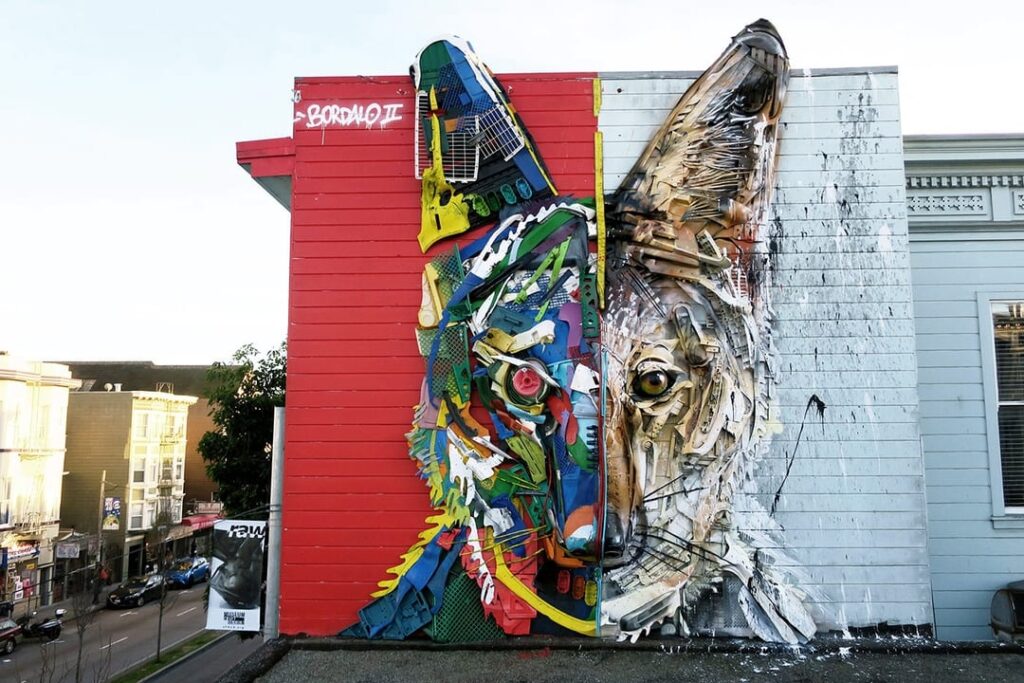
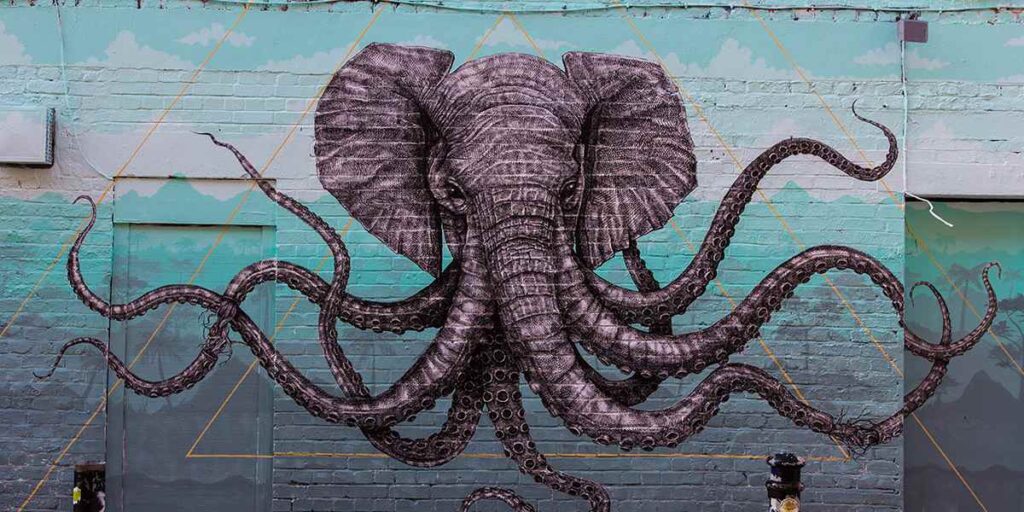
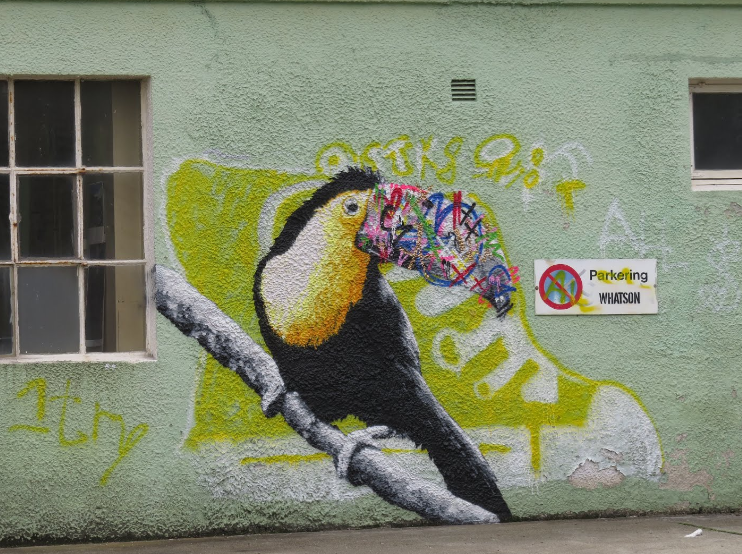
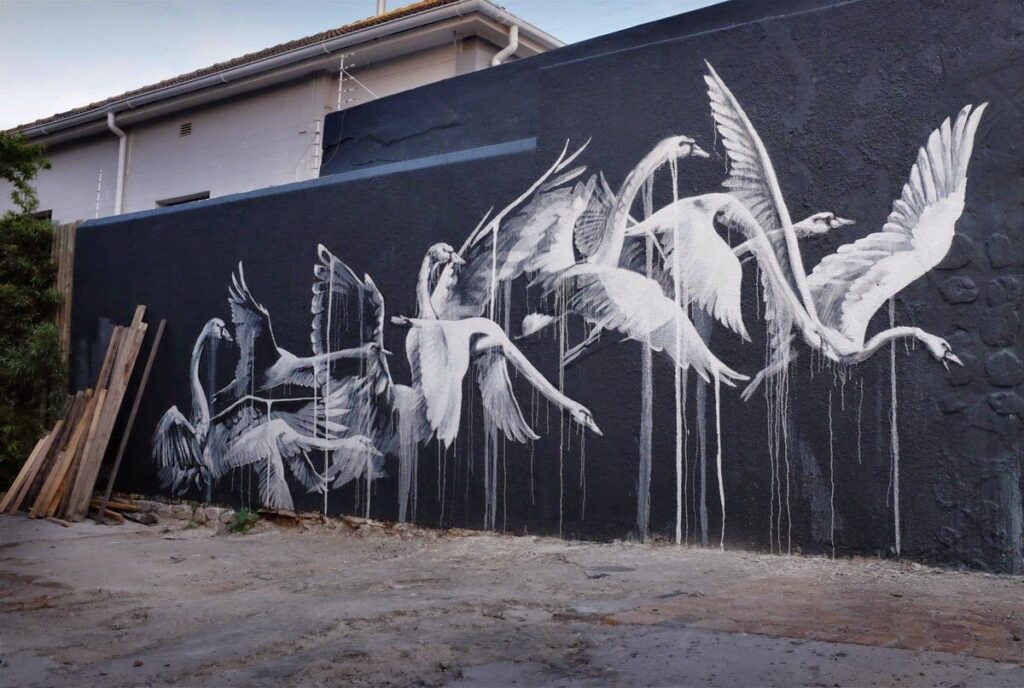
From left to right images: Laugh Now by Banksy (2002); Half Gorilla by Bordalo II in Lisbon, Portugal; Fox by Bordalo II in Lisbon, Portugal; The Octopus Elephant by Alexis Diaz in London (2013); Toucan by Martin Whatson in Stavanger, Norway; Oh diamond seashore drive me from the yard by Faith47 in Cape Town, South Africa
Bring Meaning to Your Space
Art has always been a bridge between humanity and the animal spirit. To carry this symbolism into your own space, we’ve created an exclusive Animal Archetype Print inspired by the themes in this article. The print invites reflection on harmony, responsibility, and the wildness within us all.
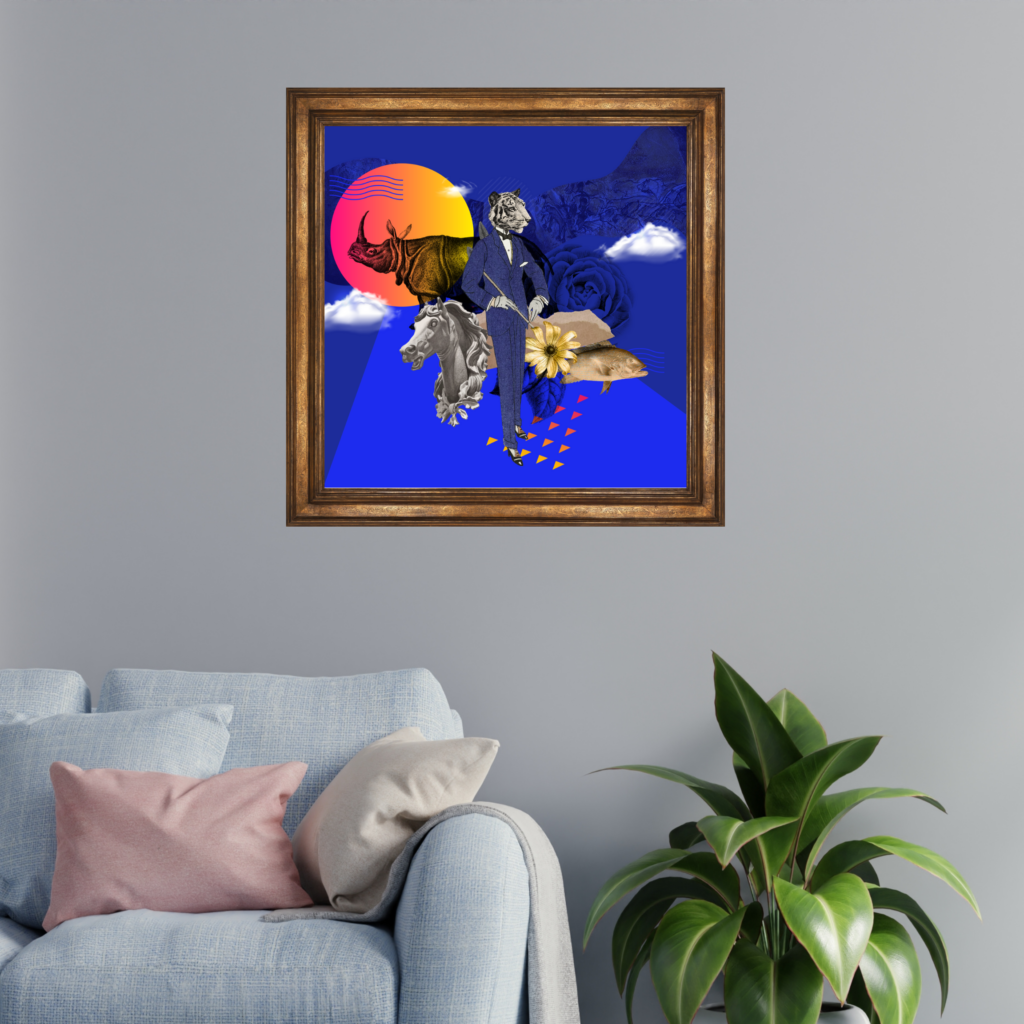
Each purchase directly supports Paint the World’s community art projects, ensuring that the lessons of the archetypes continue to inspire and empower underserved communities.
✨ Explore the print here: Animal Art Print
🌐 Discover more archetype-inspired art: Paint the World Shop
Understanding Communities Through the Animal Archetype
Examining how animals appear in a community’s public art provides insights into its values, struggles, and aspirations. In urban centers where wildlife is scarce, murals depicting birds in flight or endangered species may signal a collective yearning for lost natural spaces. In areas facing social turmoil, predatory animals like wolves or crows often symbolize resilience, survival, and warning.
For example, in neighborhoods affected by climate change, street artists frequently use polar bears and melting ice to provoke conversations about environmental justice. In indigenous communities, traditional animal totems painted in public spaces serve as living symbols of ancestral wisdom and cultural preservation.
Lessons from the Wild: Reclaiming the Animal Within
Throughout history, the Animal archetype has served as a reminder of our primal instincts and spiritual potential. Animals in art challenge us to question how we define intelligence, morality, and kinship. They teach us lessons about adaptability, survival, and cooperation, a qualities essential for both the animal kingdom and human societies.
By embracing the Animal archetype, we can reclaim a lost wisdom; one that recognizes the interconnectedness of all life. Whether through personal meditation on nature, ethical considerations in our treatment of animals, or activism against environmental destruction, this archetype urges us to return to an older, wilder form of wisdom, one that sees humans as part of a greater ecosystem, rather than as its dominators.
Leave a Reply
recent post
Symbols Series
recent post
Case Studies
recent post
Ruminations
recent post
Announcements

If you are a current Paint the World Ambassador and you have misplaced the Ambassador Portal web address, please reach out to angela@painttheworld.com
If you would like to become a Paint the World Ambassador, please learn more here.