
Seeds of Wonder: The Child Archetype & Its Significance in the Art World
September 9, 2025
recent posts
Symbols Series


recent post
Symbols Series
Seeds of Wonder: The Child Archetype & Its Significance in the Art World

recent posts
Case Studies

recent posts
Ruminations
recent posts
Announcements
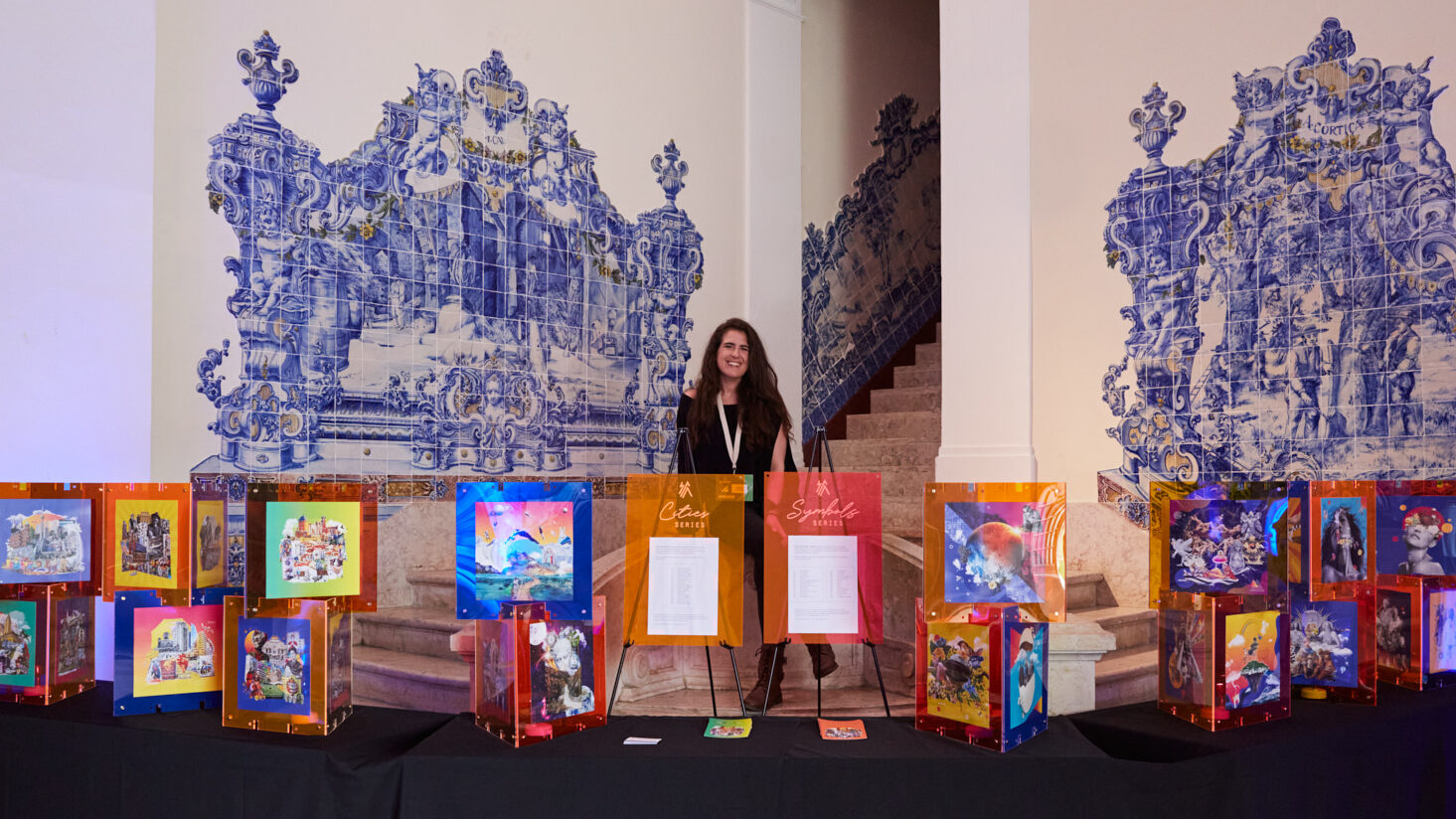
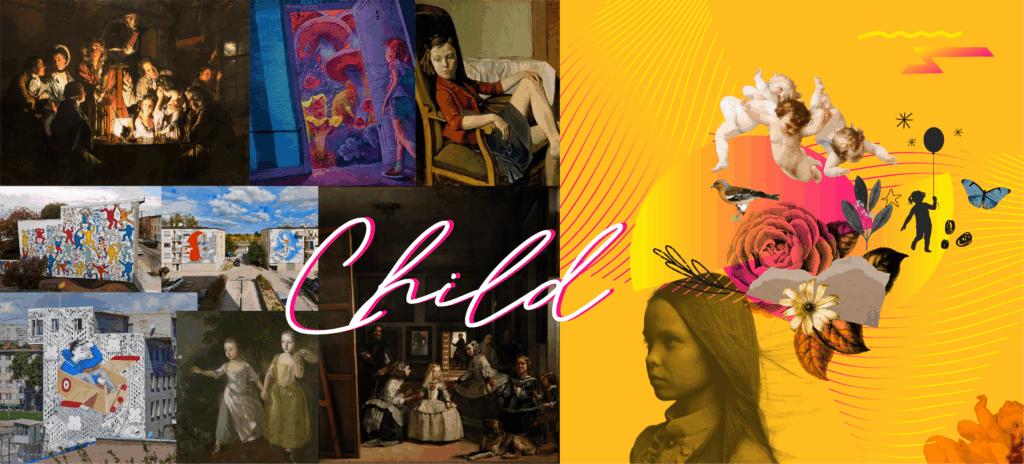
Paint the World is a 501(c)3 aiming to shift the paradigm around the impact potential of the arts. In 2021, PTW ran programs in 6 countries, engaging healthcare, education, and engineering professionals. Our Symbols Series is an exploration of archetypal symbols that arise from a community’s collective unconscious & how we can strategically use the appearance of these symbols in art to better understand community needs. To stay up to date on latest releases, follow us on instagram, and join us here.
The Child archetype is the embodiment of innocence, wonder, and potential. In Carl Jung’s exploration of the psyche, the Child represents renewal, playfulness, and the promise of transformation (Jung, C.G., The Archetypes and the Collective Unconscious, 1959). Whether depicted as a divine infant in religious iconography or as a rebellious figure in contemporary street murals, the Child is a universal motif that reminds us of both our vulnerabilities and our boundless creativity.
From ancient sculptures to modern graffiti, the Child archetype appears across artistic traditions as a symbol of hope, renewal, and untainted truth. It is the whisper of a beginning—the seed of what is yet to come.
To see more gifs from Paint the World, visit us on Giphy here.
The Child in Art History
The Child has been a focal point of artistic expression for millennia, often depicted as a bearer of wisdom despite its innocence.
Thomas Gainsborough’s The Painter’s Daughters Chasing a Butterfly (c.1756) captures a fleeting moment of curiosity, preserving the fragility and delight of early life [1]. Diego Velázquez’s Las Meninas (1656) offers a layered portrayal of childhood within the Spanish court, where innocence coexists with power [2]. In the 20th century, Balthus’ Thérèse (1938) explores the threshold between childhood and adolescence, revealing the Child as both enigmatic and transformative [3].
The cherubic figures of the Renaissance, particularly in Raphael’s works, symbolize divine innocence, while Romantic painters like Francisco Goya explored the darker dimensions of childhood, showing how innocence can be eroded by the pressures of a flawed world (Tomlinson, J., Goya: Order & Disorder, 2014).
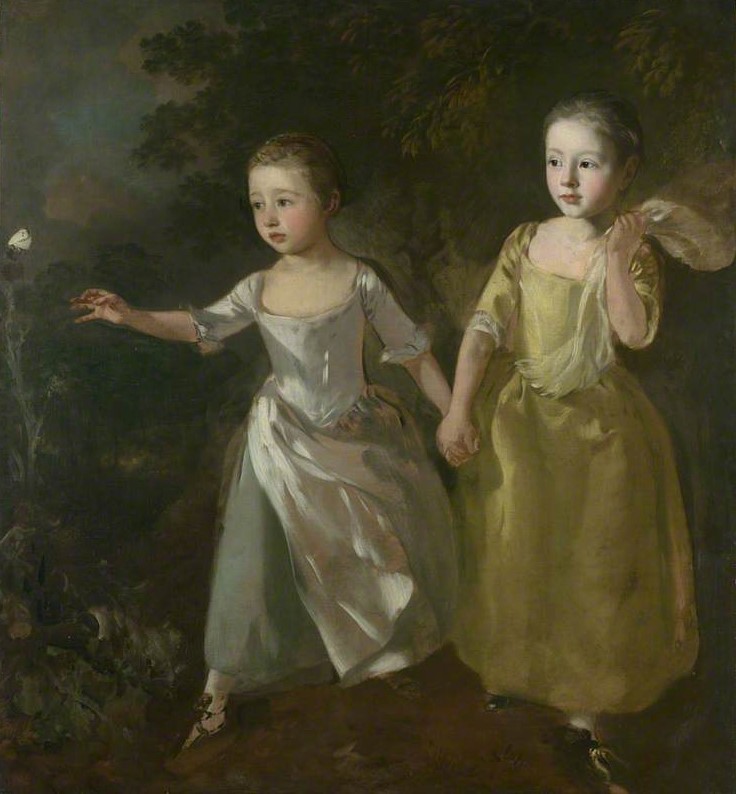
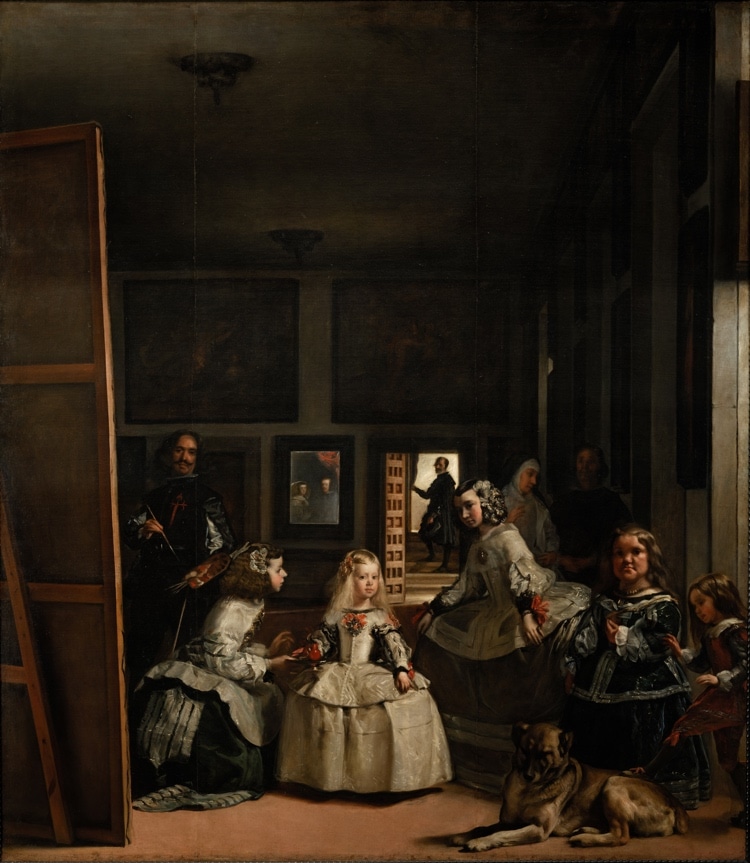
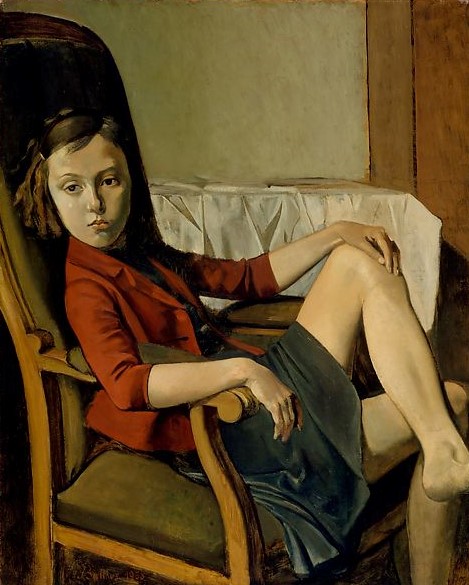
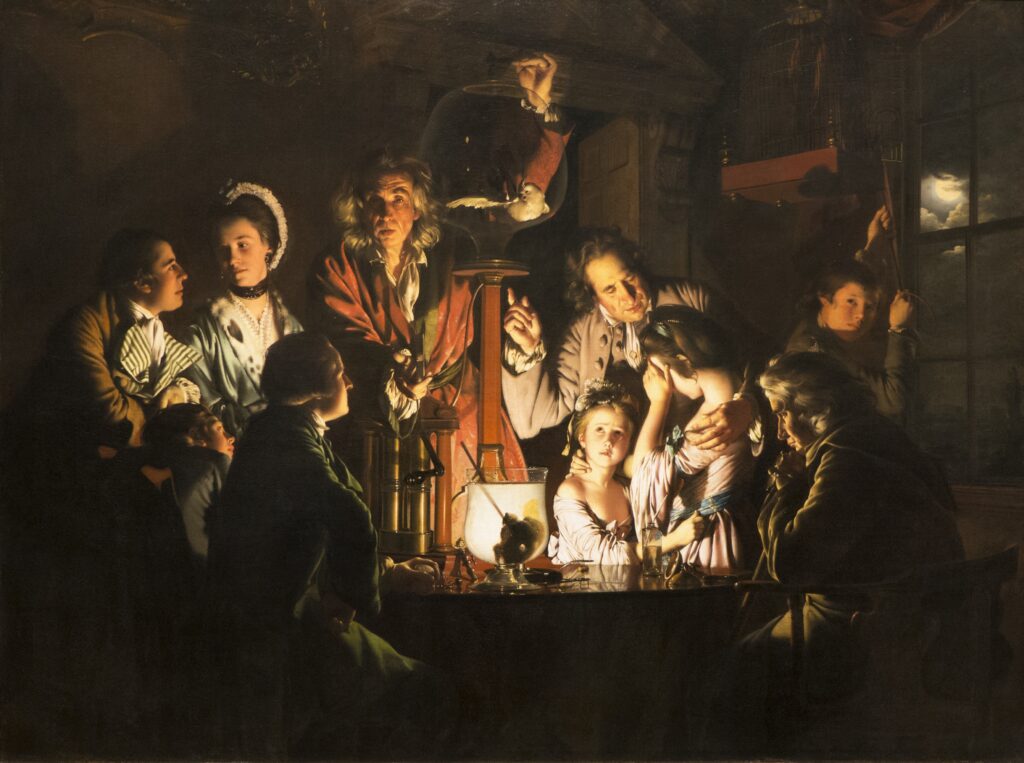
From left to right image: The Painter’s Daughters Chasing a Butterfly by Thomas Gainsborough (c.1756); Las Meninas by Diego Velázquez (1656); Thérèse by Balthus (1938); An Experiment on a Bird in the Air Pump by Joseph Wright of Derby (1768)
Street Art: A Child’s Gaze on the Modern World
In the realm of street art, the Child archetype takes on a powerful, often subversive role. Artists use the image of the child to challenge societal norms, raise awareness about social issues, and inspire hope for a better future [4].
One of the earliest large-scale examples, Keith Haring’s We The Youth (2013) in Philadelphia, celebrates the energy and unity of childhood, using his signature vibrant lines to amplify the voices of the young [5]. Later, Millo’s At the Beginning of the Journey of Our Life (2020) in Ravenna, Italy, presents a child navigating a surreal cityscape, embodying the journey of self-discovery in a complex world [6]. Most recently, Amanda Phingbodhipakkiya’s A Place to Grow in Des Moines envisions childhood as a time of infinite possibility, where curiosity and learning shape the future [7].
These works chart a symbolic progression: from childhood as communal joy, to childhood as a metaphor for personal growth, to childhood as a lens for envisioning a better tomorrow.
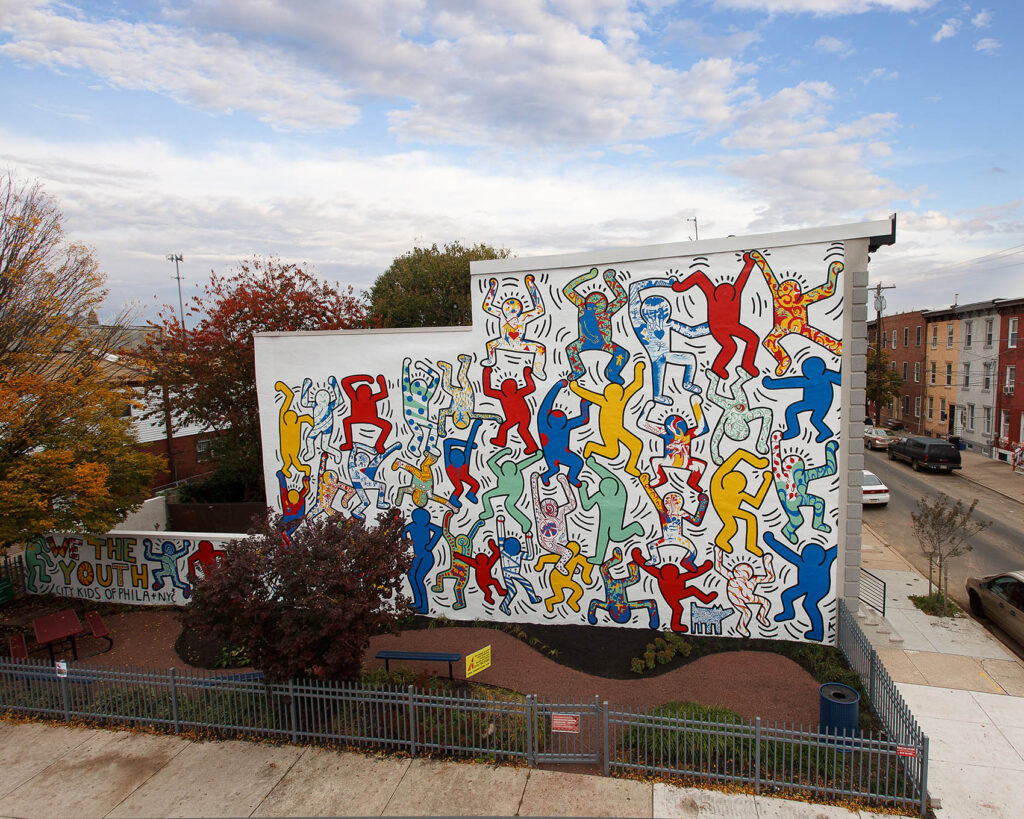
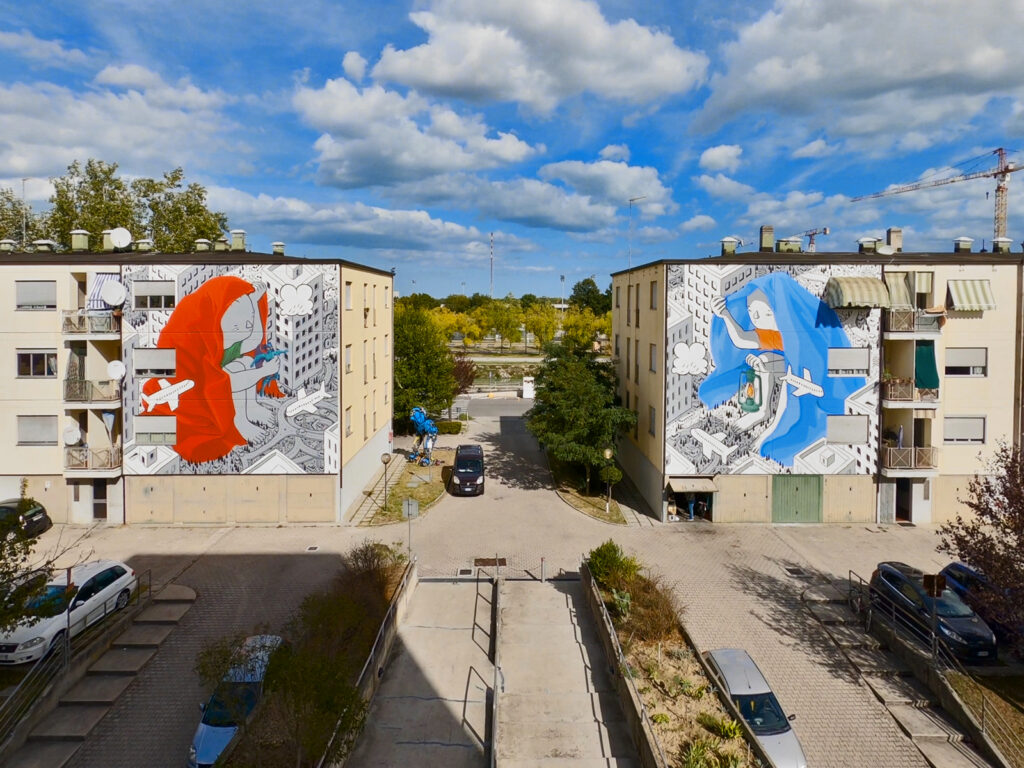
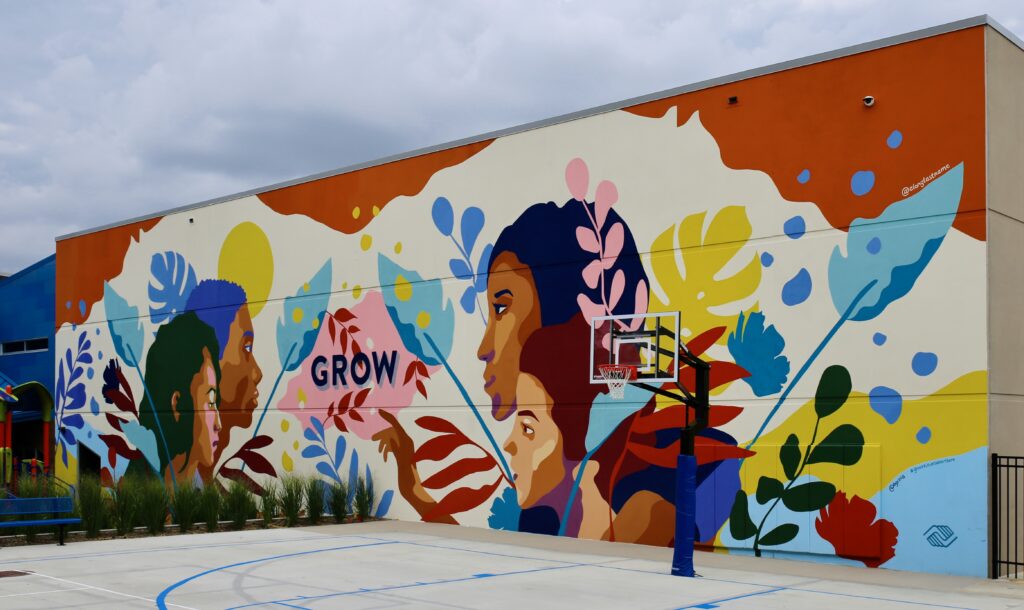
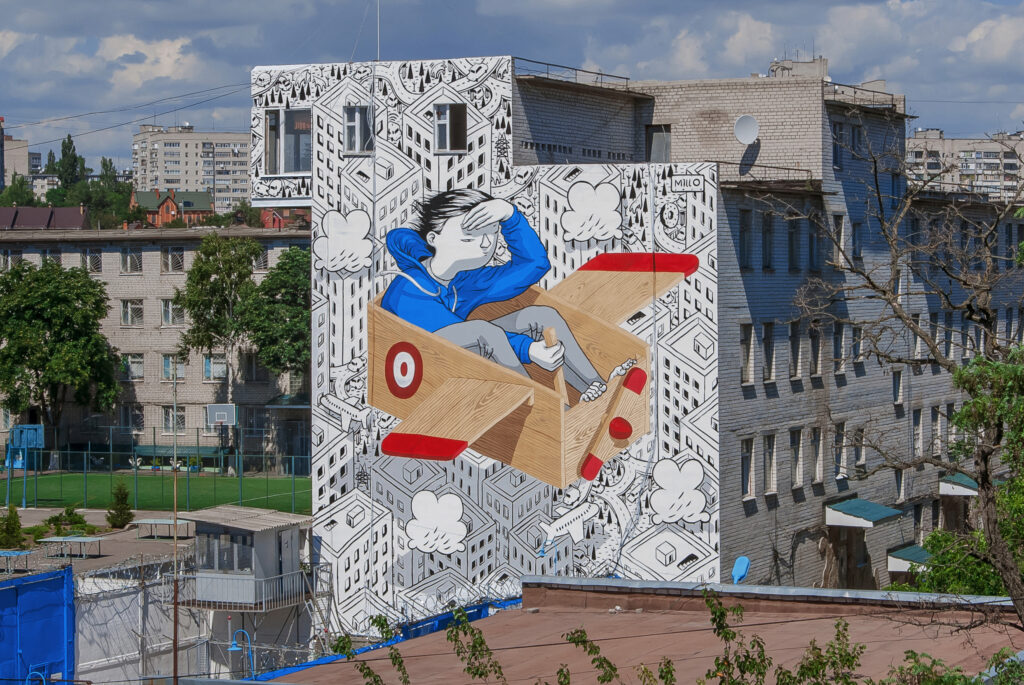
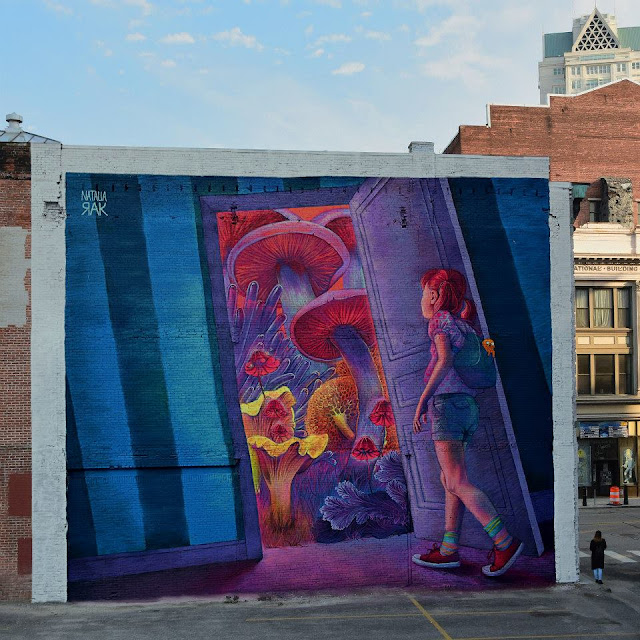
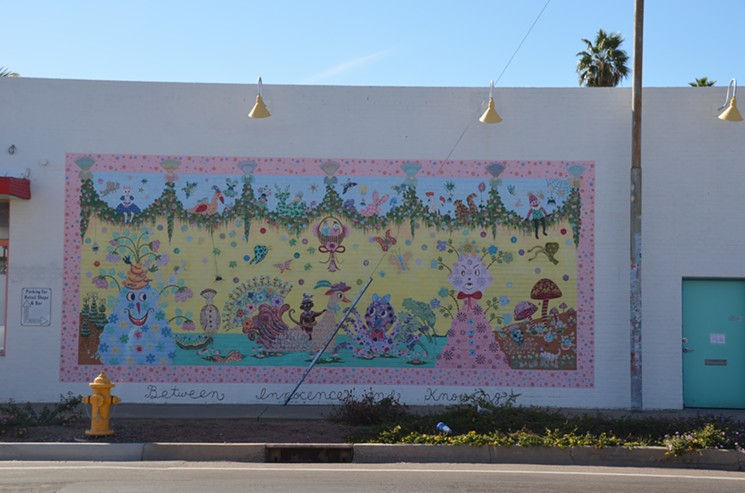
From left to right image: Keith Haring’s We The Youth (2013) in Philadelphia; Millo’s At the Beginning of the Journey of Our Life (2020) in Ravenna, Italy; Amanda Phingbodhipakkiya’s A Place to Grow in Des Moines; Millo’s Power of imagination (2017) in Kremenchuk, Ukraine, Europe; Natalia Rak’s Adventure Time in Providence, Rhode Island USA; Beatrice Moore’s Between Innocence and Understanding in Metro Phoenix, Arizona USA
Bring Meaning to Your Space
The Child reminds us that wonder, creativity, and renewal are not just ideas to admire, they’re qualities we can live with every day. To keep this reminder close, we’ve created an exclusive Child Archetype Art Print, inspired by the timeless motif of innocence and possibility.
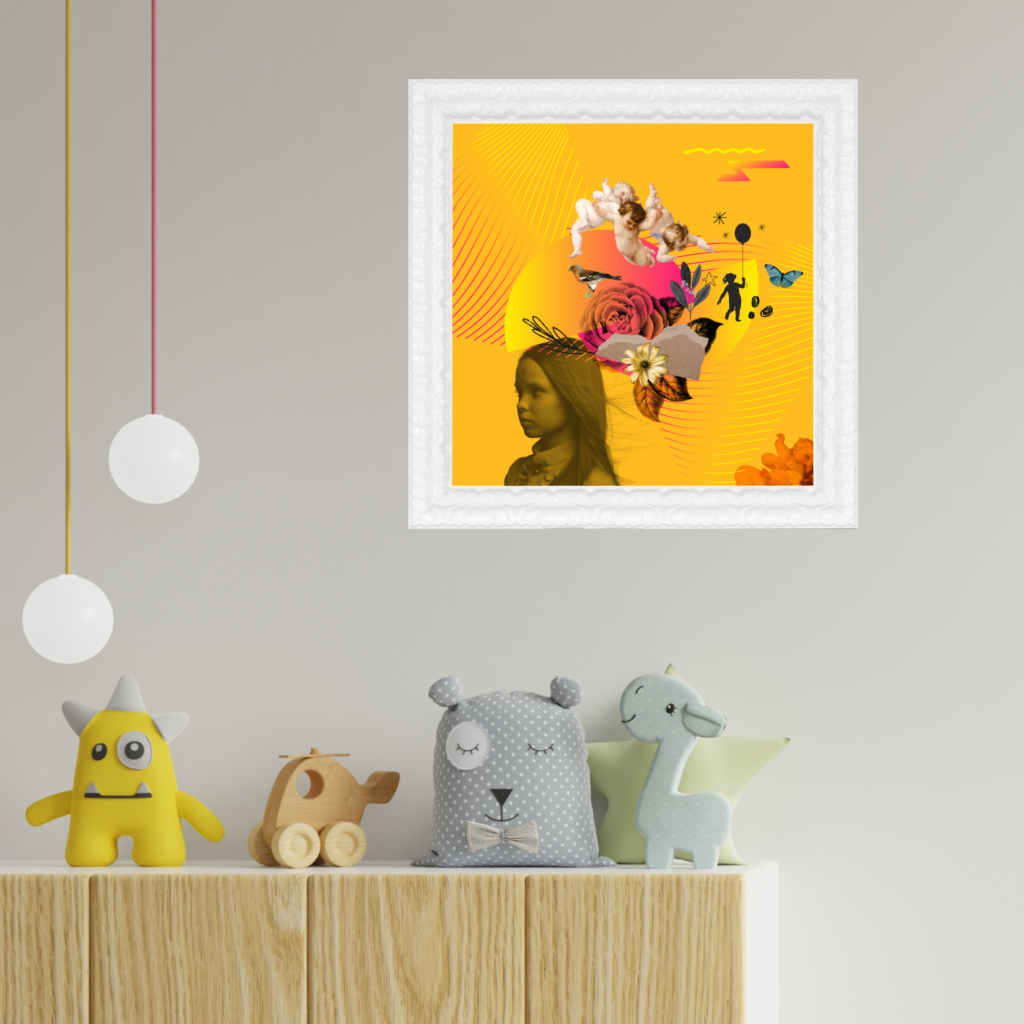
Displaying this piece in your home or workspace can serve as a gentle invitation to reconnect with curiosity and to protect the imaginative spark that fuels growth. It’s more than artwork, it’s a daily reminder to see the world with fresh eyes.
🌱 Explore the print here: The Child Archetype Print
🌐 Browse the full collection: Paint the World Shop
Understanding A Community Through It’s Children in Art
A community’s artistic representation of children often reflects its values, struggles, and aspirations. Societies that portray children as hopeful and empowered often emphasize education, creativity, and possibility. Conversely, depictions of abandoned or burdened children reveal deeper wounds like war, inequality, and displacement.
Murals in marginalized communities that feature children can serve as both mirrors and calls to action: they remind us of vulnerability while urging collective responsibility for protection, care, and change [8].
Applying Learnings
The Child archetype is not confined to mythology and murals, it exists within us all. Jung saw the Child as a key to individuation, the psychological process of integrating all aspects of the self (Jung, C.G., Psychological Types, 1921). To reconnect with our inner child is to reclaim our sense of wonder, our ability to dream, and our willingness to see the world as it could be rather than as it is.
In a world that often prioritizes efficiency over creativity, embracing the Child archetype means allowing space for curiosity, play, and emotional openness. This might look like sketching without judgment, revisiting a childhood game, telling stories from imagination, or spending time in nature with the openness of a beginner’s eye.
The Child archetype is not just an image in paintings or a figure on a wall; it is a reminder of what we once were and what we still hold within us. Through art, the Child speaks to us, urging us to embrace curiosity, protect innocence, and never lose sight of possibility.
Leave a Reply
recent post
Symbols Series
recent post
Case Studies
recent post
Ruminations
recent post
Announcements

If you are a current Paint the World Ambassador and you have misplaced the Ambassador Portal web address, please reach out to angela@painttheworld.com
If you would like to become a Paint the World Ambassador, please learn more here.